The Last of Us Part I — Game Deconstruction
A comprehensive deep dive into level pacing, enemy AI behaviors, and how Naughty Dog creates emotional resonance through game mechanics.
Game Deconstruction by: Karuna Ketan
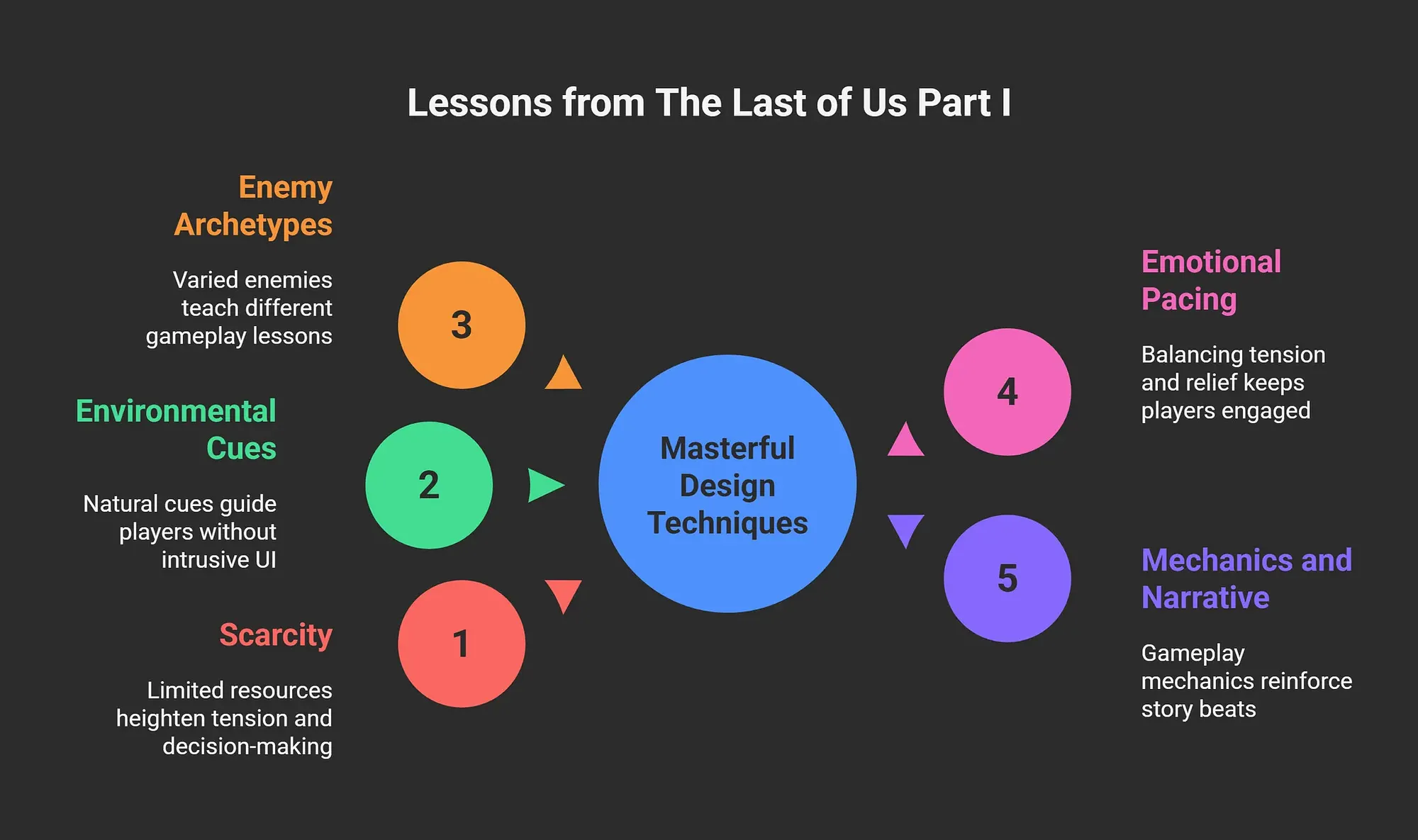
The Last of Us Part I (2022) is a remake of the classic that redefined the action-adventure genre. This deconstruction focuses on how Naughty Dog uses scarcity, level design, tension, and enemy encounters to shape player experience.
Rather than treating narrative and mechanics as separate layers, the game seamlessly integrates them. Every bullet, every shadow, and every corner of its world reinforces both survival gameplay and emotional storytelling.
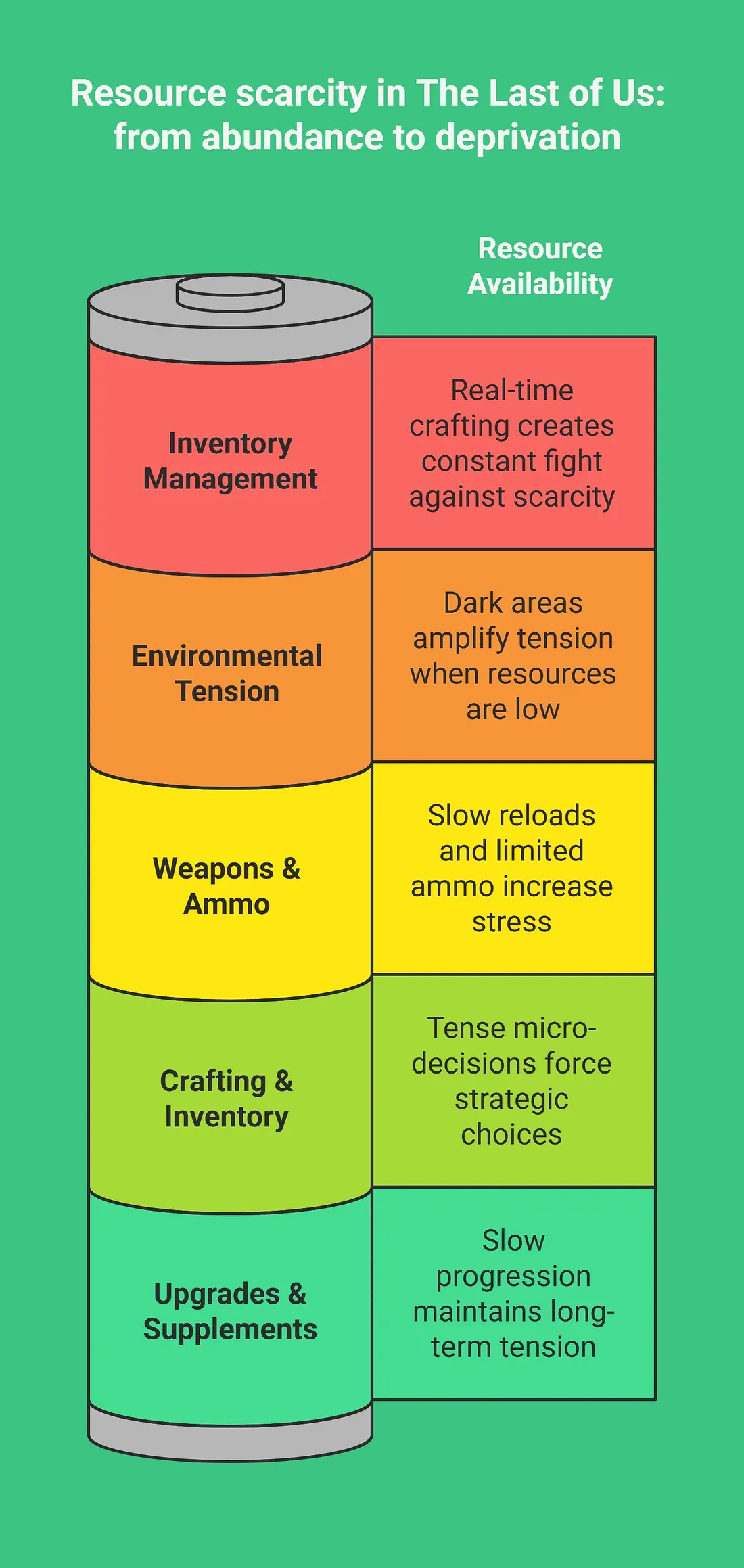
Every bullet and medkit is limited. Scarcity forces constant trade-offs: fight or sneak, heal now or save for later.
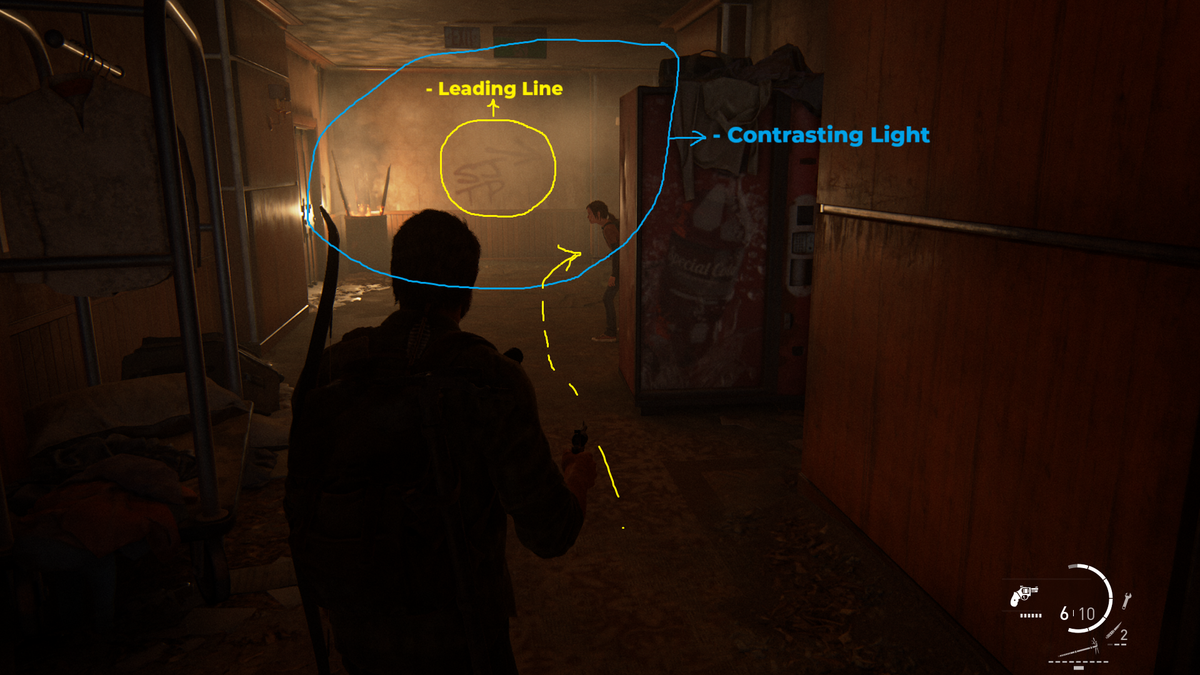
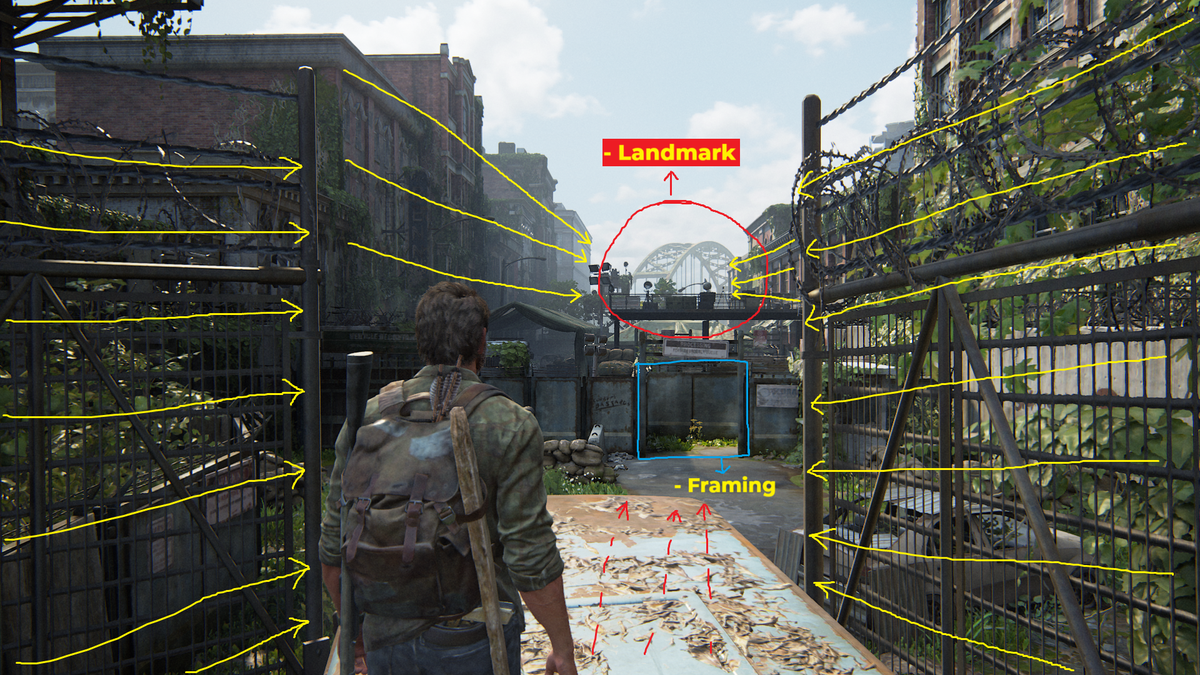
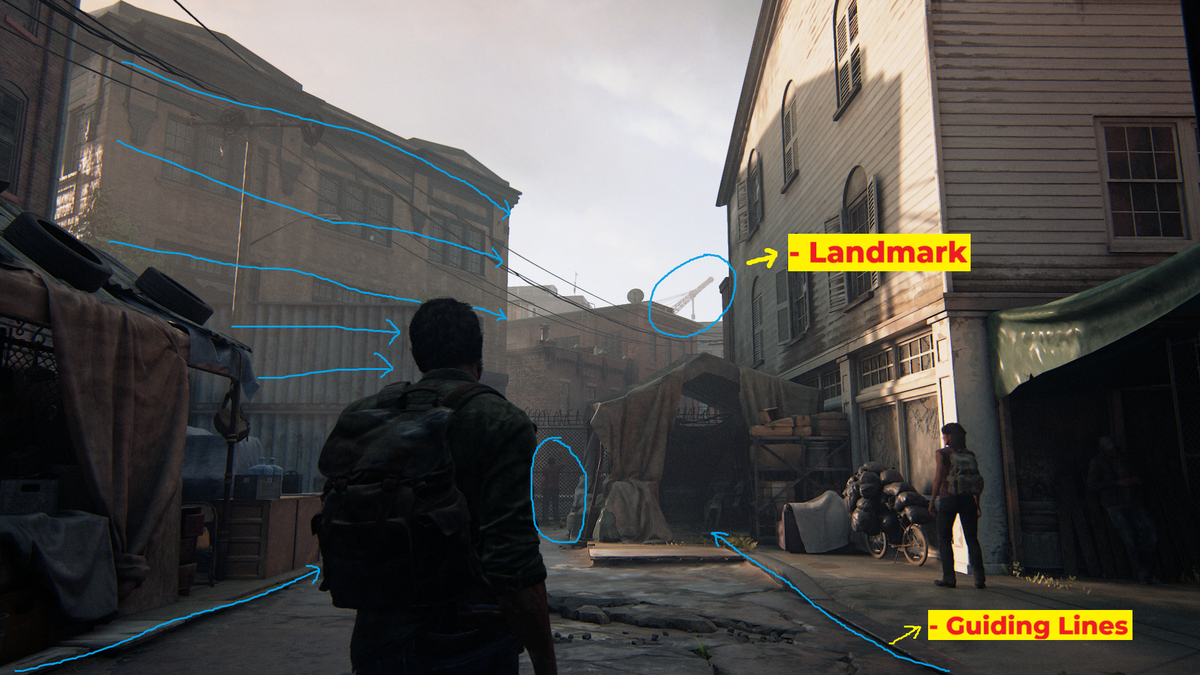
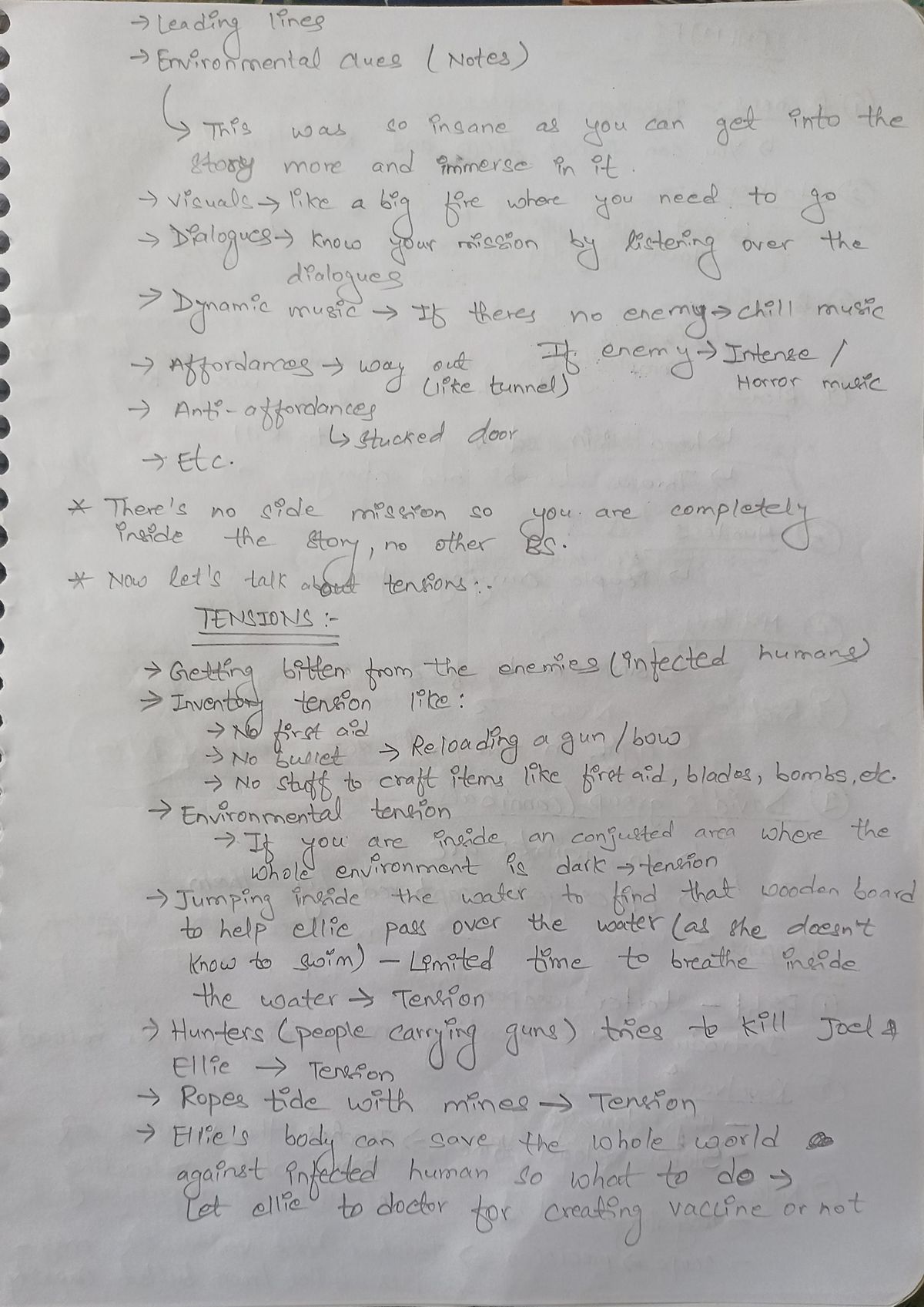
The world guides the player without UI. Leading lines, lighting, and landmarks direct attention organically.
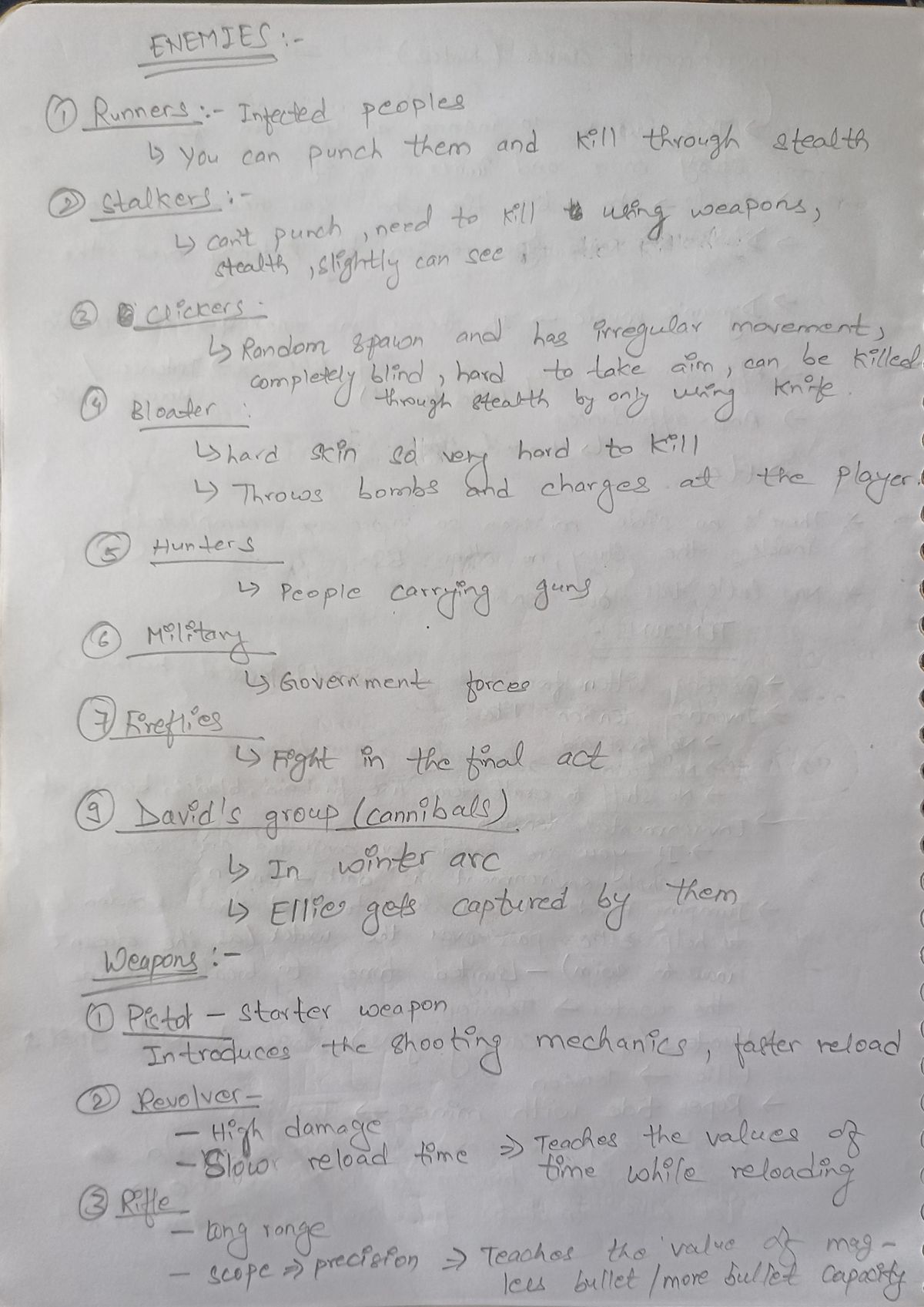
Encounters have multiple solutions. Enemy archetypes (Runners, Clickers) demand different strategies, ensuring replayability.
Mechanics mirror the story arc. Protecting Ellie is built into gameplay (pallets, combat assists), not just cutscenes.
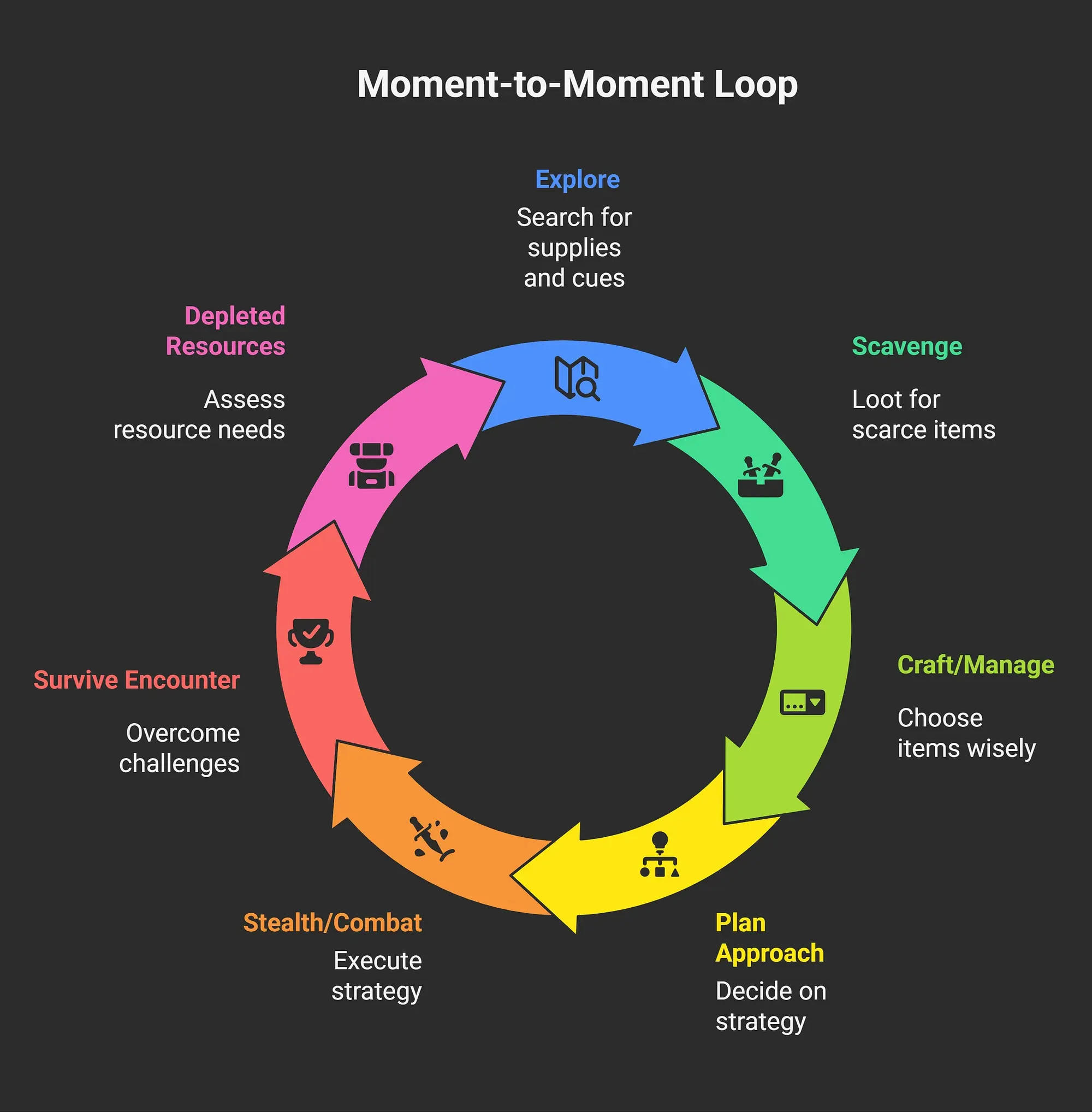
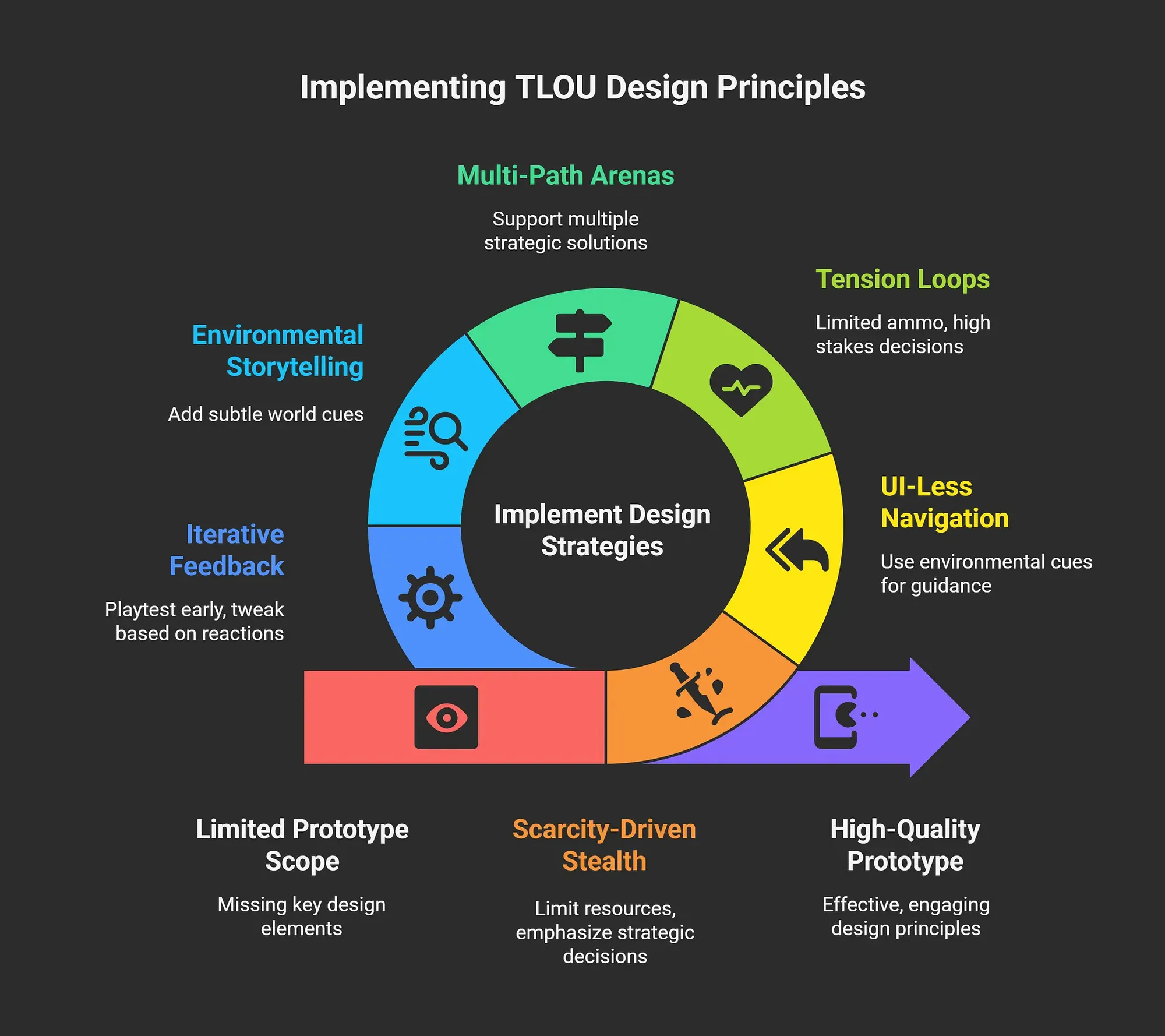
The game is driven by three distinct loops that constantly reinforce survival tension.
Explore → Scavenge → Craft → Plan → Combat → Survive.
Every cycle creates a rhythm of Tension → Decision → Consequence → Reset. Victory often comes at the cost of resources, creating immediate anxiety for the next encounter.
Narrative Setup → New Area → New Enemy → Strain → Relief.
Each chapter introduces new mechanics or enemies while delivering key story beats. Pacing alternates between high-tension combat and quiet narrative downtime.
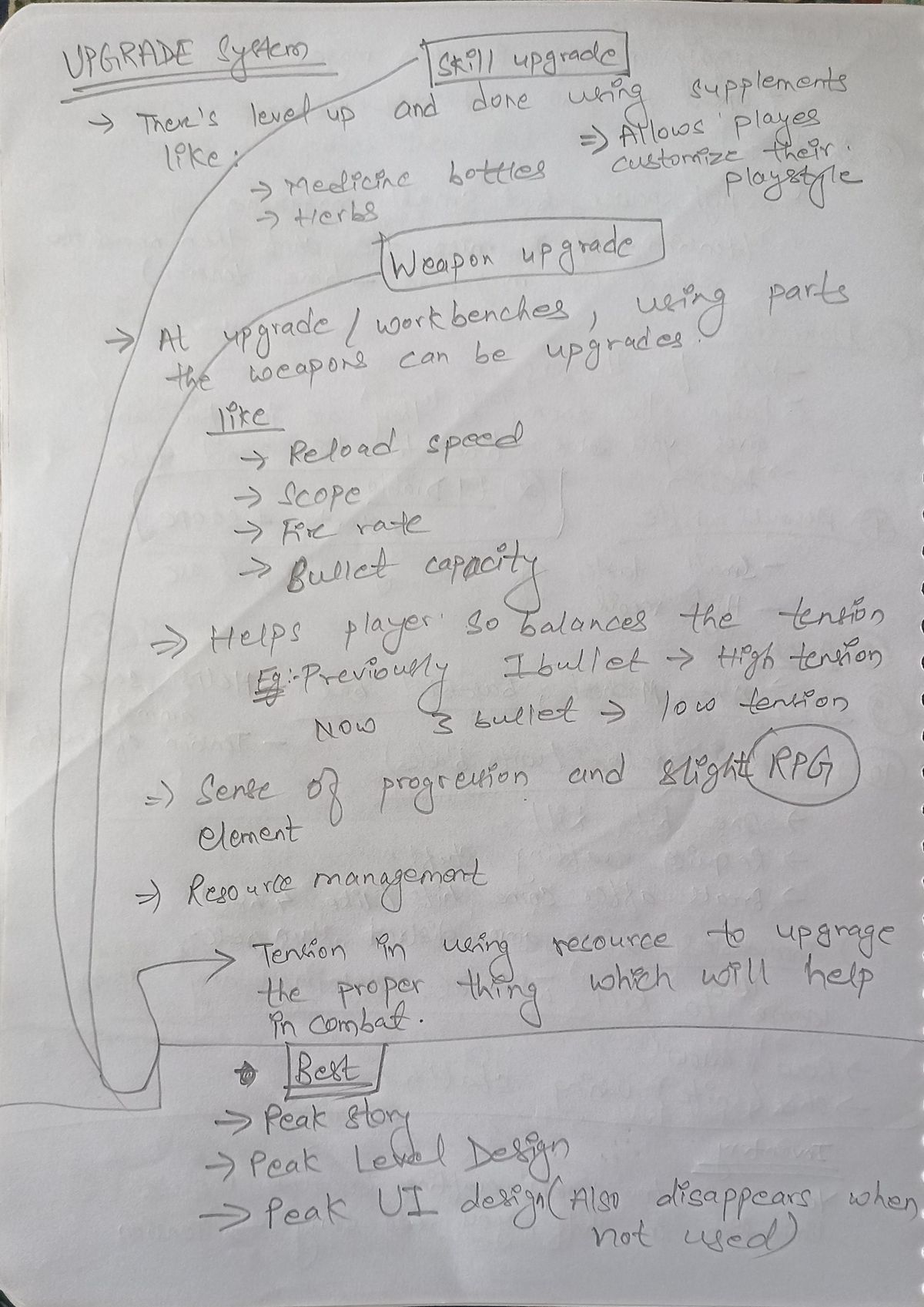
Survive → Upgrade → Bond → Face Dilemma.
Upgrades reward perseverance but never eliminate tension. The emotional bond with Ellie is strengthened mechanically over time, leading to the final moral dilemma.
Unlike action games where resources empower players, here scarcity constantly disempowers them, making survival feel earned.
How do you guide a player without a minimap or waypoints?
Naughty Dog uses high-contrast lighting as a natural focal point. A bright exit or a sunlit doorway pulls the player forward through dark, oppressive spaces. Distant landmarks act as long-term orientation points.
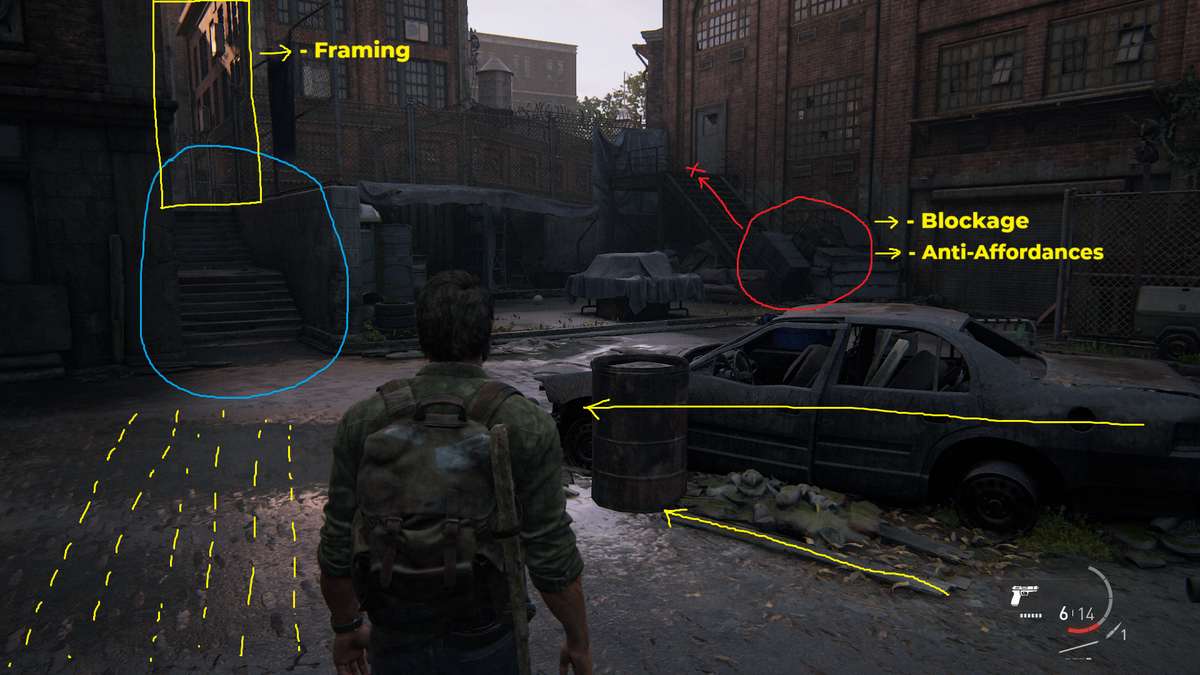
Level design uses natural frames, like doorways or archways, to focus the player’s attention on key areas. Light, lines, and object placement work together to make important spaces immediately readable.
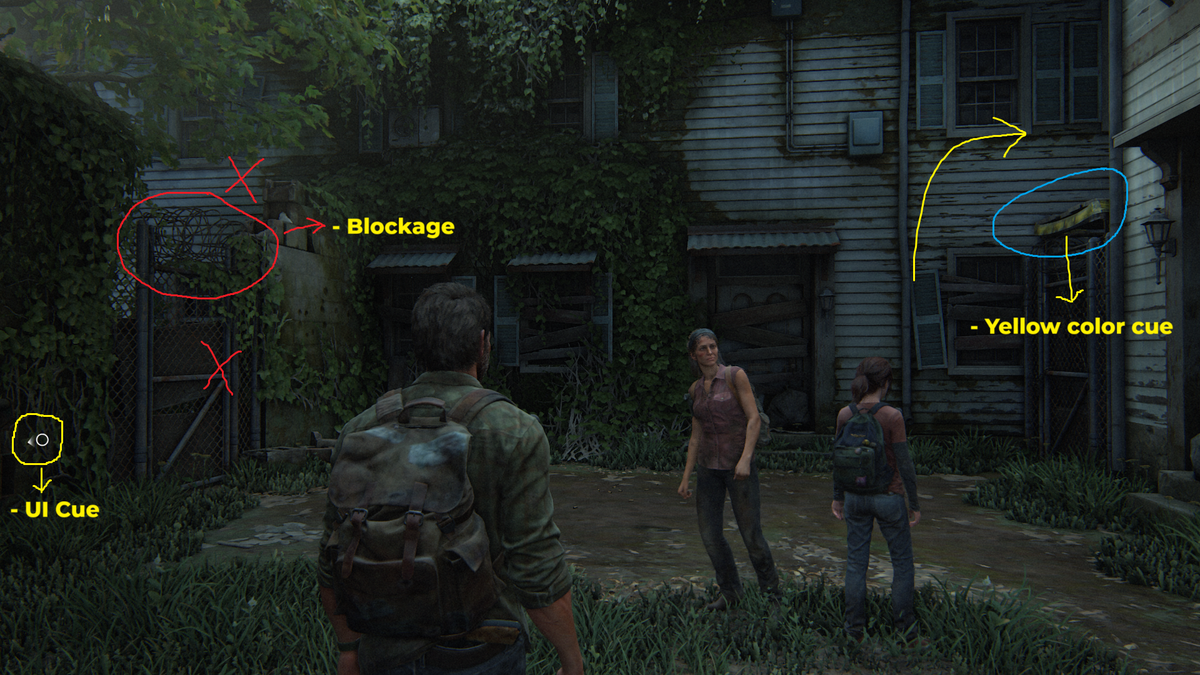
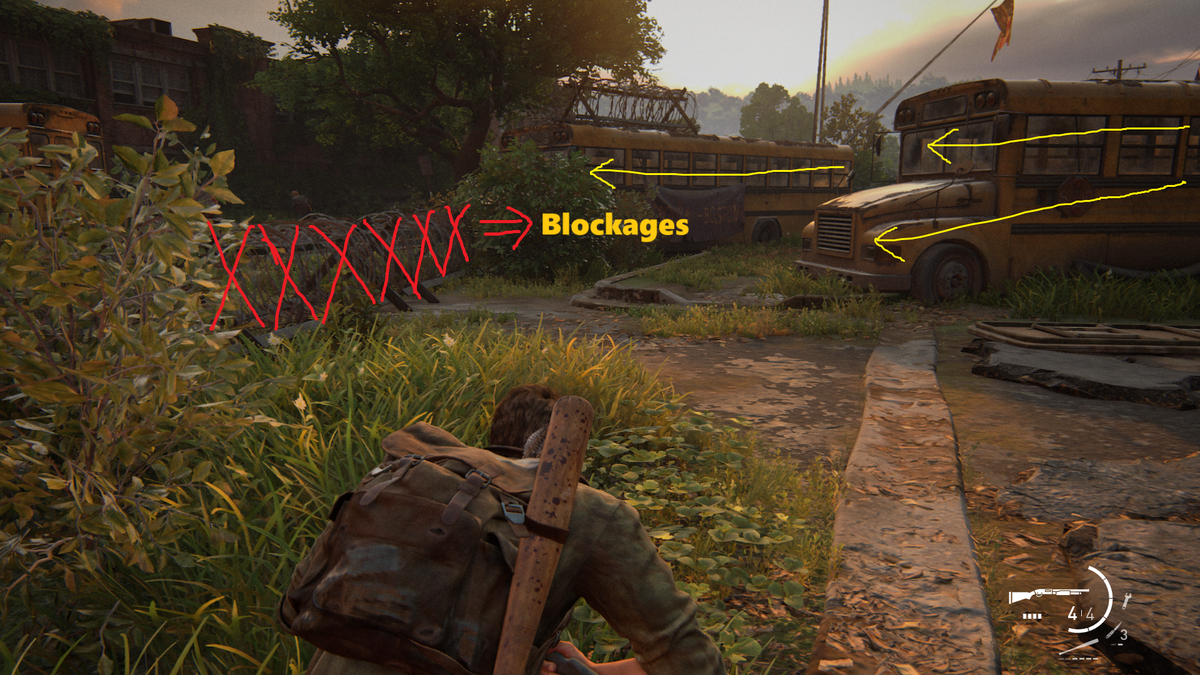
The world itself acts as a subtle guide. Fallen trees, debris, wrecked buses, and barricades are not just set dressing but tools for directing players along intended routes. These obstacles feel natural within the post-apocalyptic setting, so players understand the limitation without feeling forced.
Barricades like military fencing or natural blockages also tell stories. They hint at past human attempts to control or escape the chaos, deepening immersion.
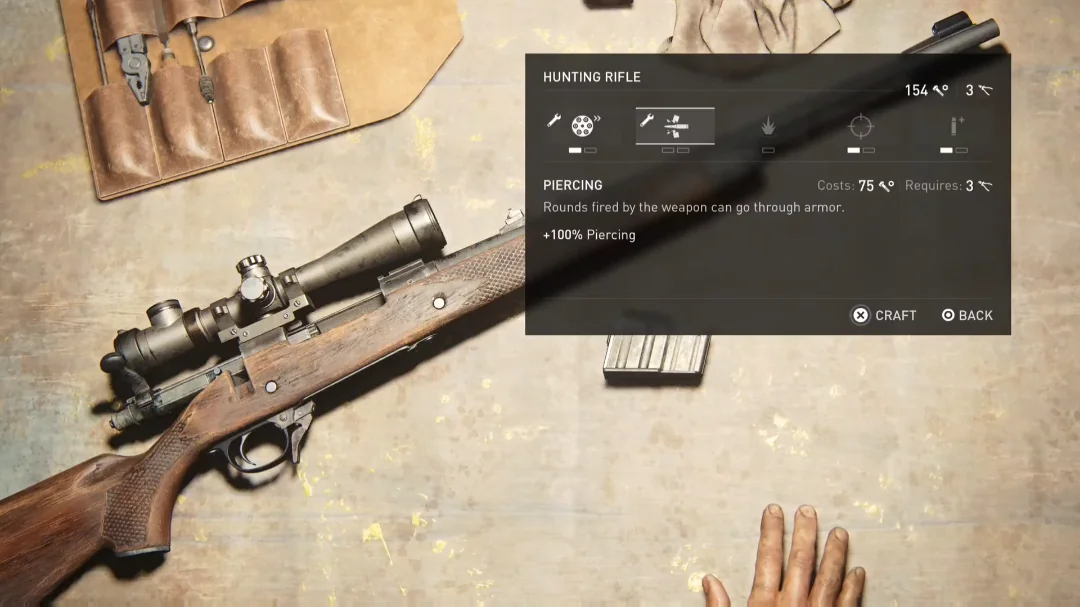
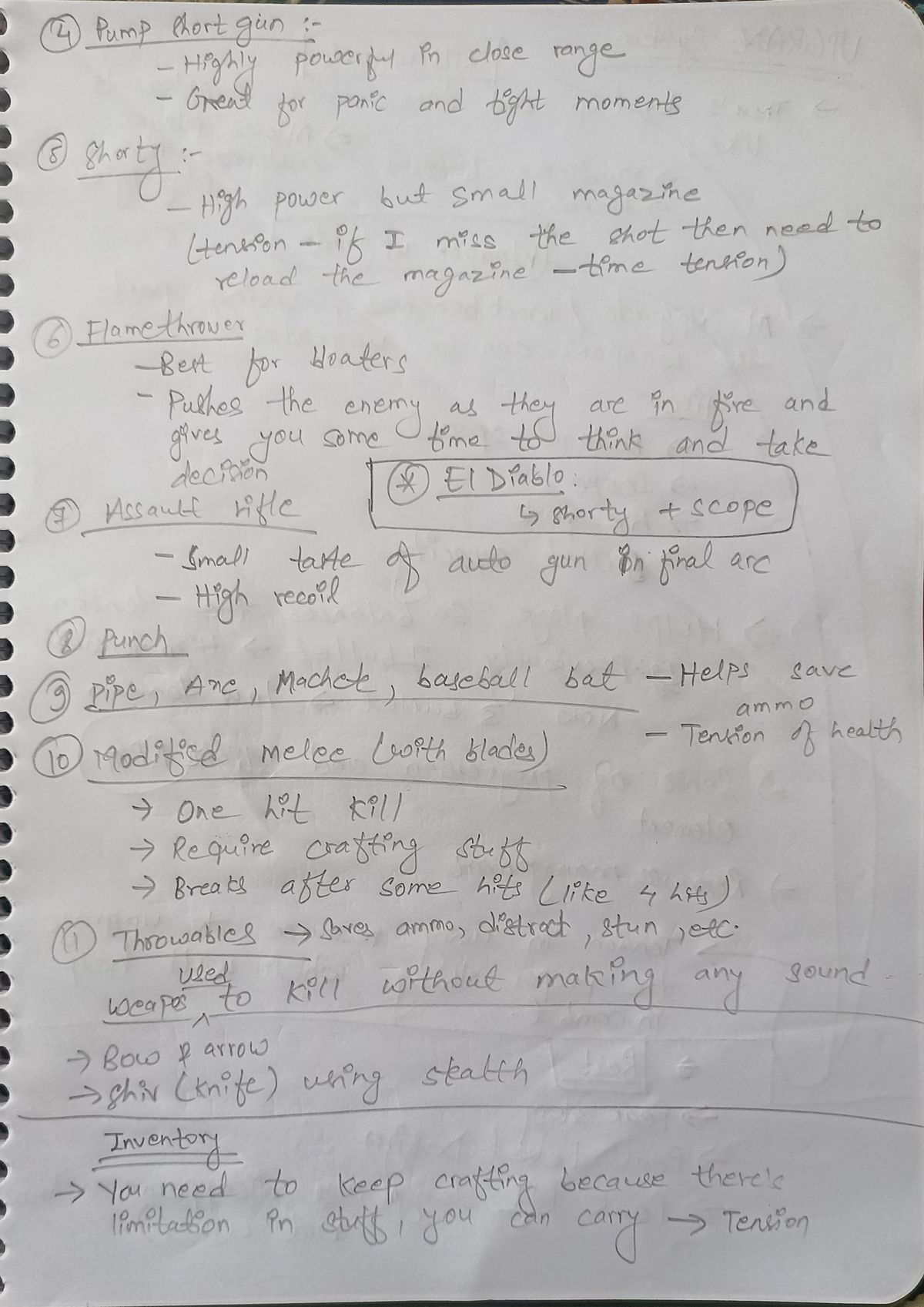
Each weapon encourages a specific playstyle and teaches the player different lessons about survival.
| Weapon | Playstyle Encouraged | Lesson Taught |
|---|---|---|
| Revolver | High damage, Slow reload | Forces careful planning; every shot must count. |
| Shotgun | Devastating, Close range | Encourages awareness of positioning and spacing ("Panic Button"). |
| Bow | Silent, Reusable ammo | Teaches patience, stealth, and risk-reward assessment. |
| Brick/Bottle | Distraction, Stun | Teaches crowd control and creating openings in combat. |
The Last of Us Part I creates tension on multiple levels, keeping players engaged, alert, and emotionally invested. The game layers different sources of tension that interact to create a rich, immersive experience.
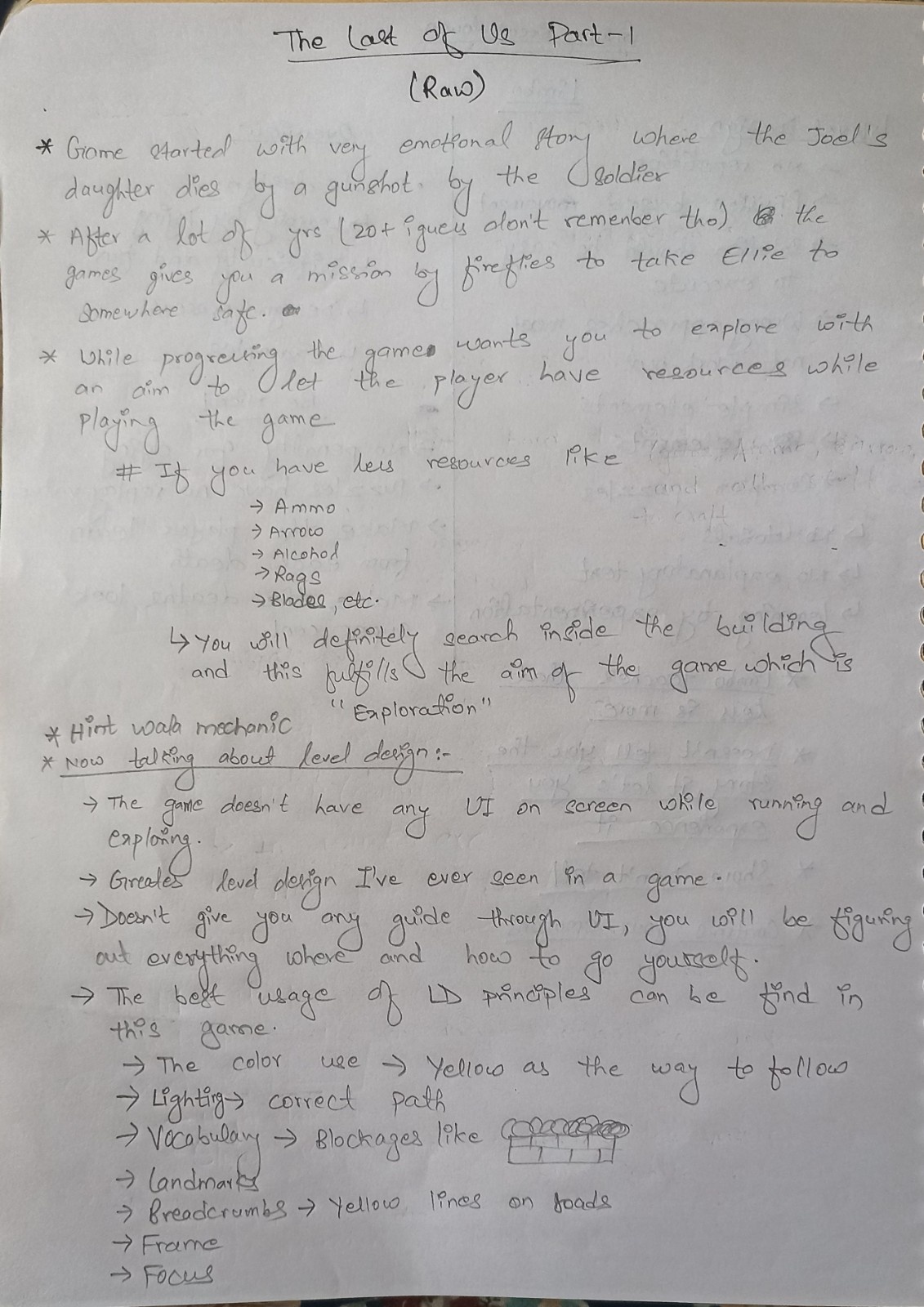
My personal notes, sketches, and raw observations made during the deconstruction process.


A comprehensive deep dive into level pacing, enemy AI behaviors, and how Naughty Dog creates emotional resonance through game mechanics.