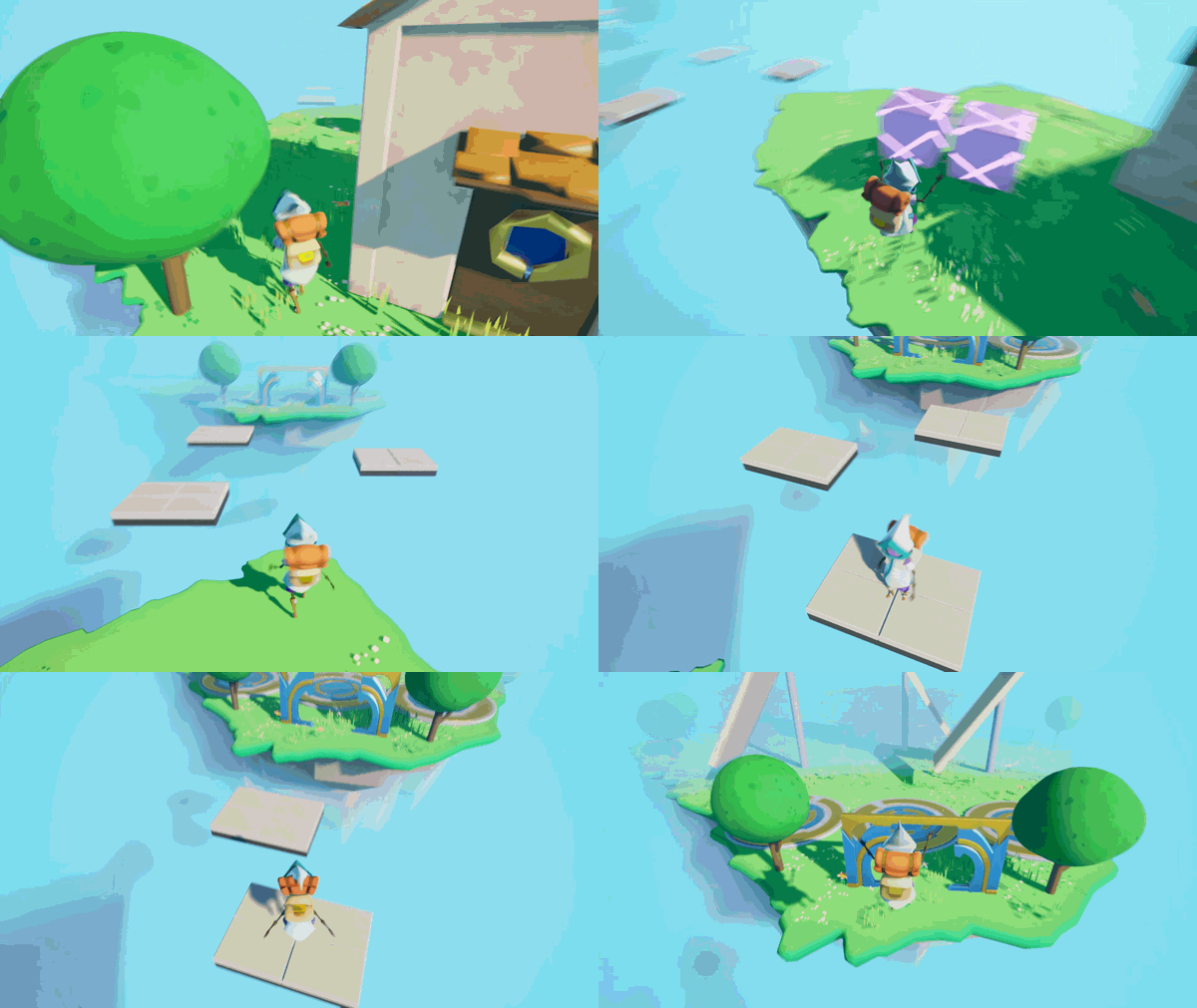
Obstacle Assault
*Note: This project was a dedicated design challenge to master spatial flow, pacing, and player psychology. A brief GDD detailing the spatial metrics and tension values is linked above.*
Game Overview
Obstacle Assault is a compact but intense 3D platformer built entirely in Unreal Engine. In a genre where a single frame of input delay can ruin the experience, my goal was to ensure players felt challenged by the environment, never by the controls.
There is no combat and no hand-holding. The entire experience relies on spatial reasoning, timing, and player instincts. I designed it to evoke a very specific emotional arc: Struggle & Determination → Self-Discovery → Peace after Victory.
Level Architecture & Pacing
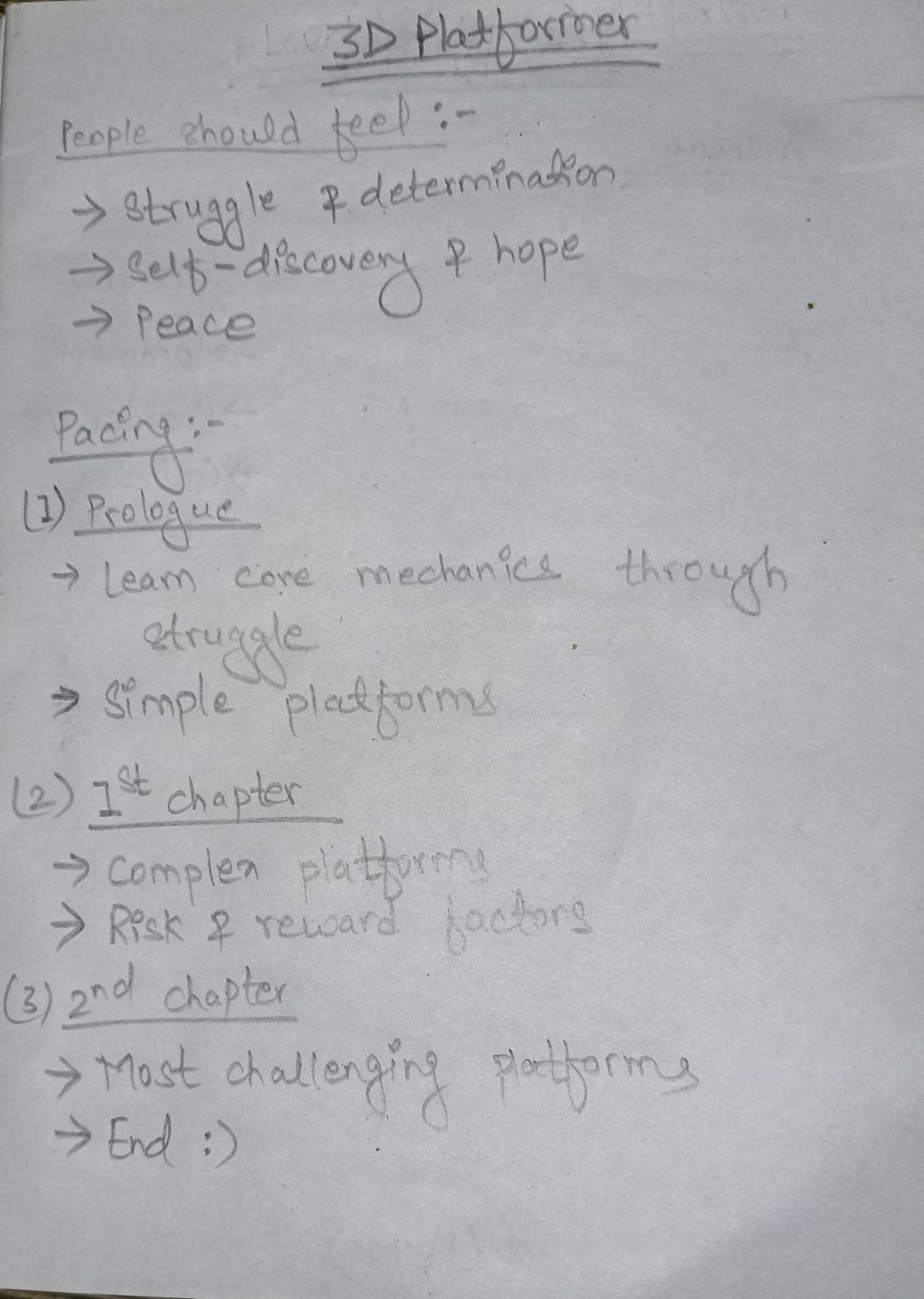
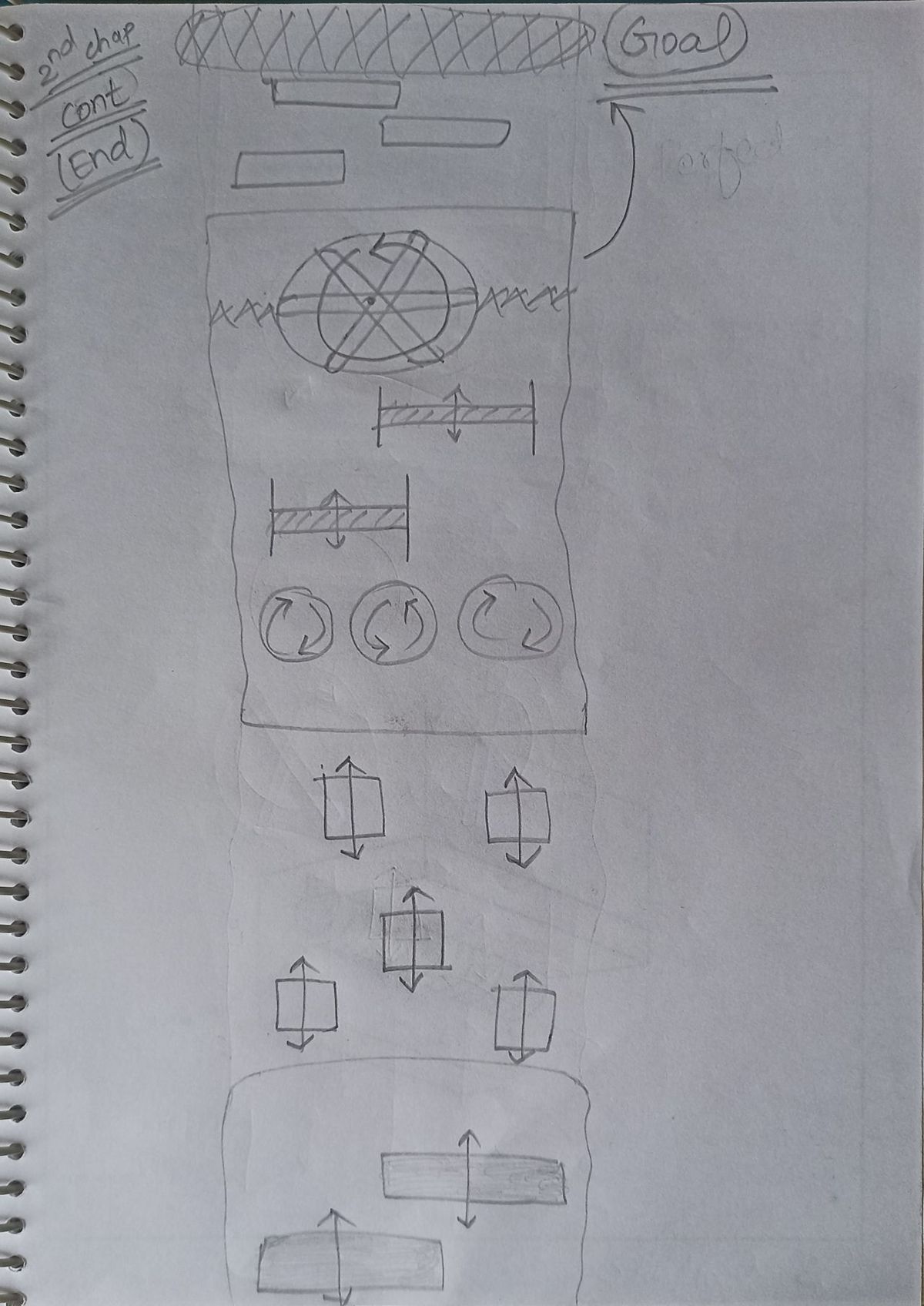
I began by sketching the layouts on paper. This allowed me to test the flow and pacing instantly without touching code or assets, ensuring the player experience was prioritized above all else.
- Prologue (The Tutorial): Teaches core mechanics through simple platforms while building initial determination.
- Chapter 1 (The Escalation): Gradually increases complexity. Players must discover timing and rhythm organically.
- Chapter 2 (The Climax): The toughest combinations testing everything learned, ending in a deliberate moment of calm after the final jump.
Process: From Paper to Engine
Translating the emotional arc and pacing goals into raw 2D sketches before building spatial geometry in the engine.
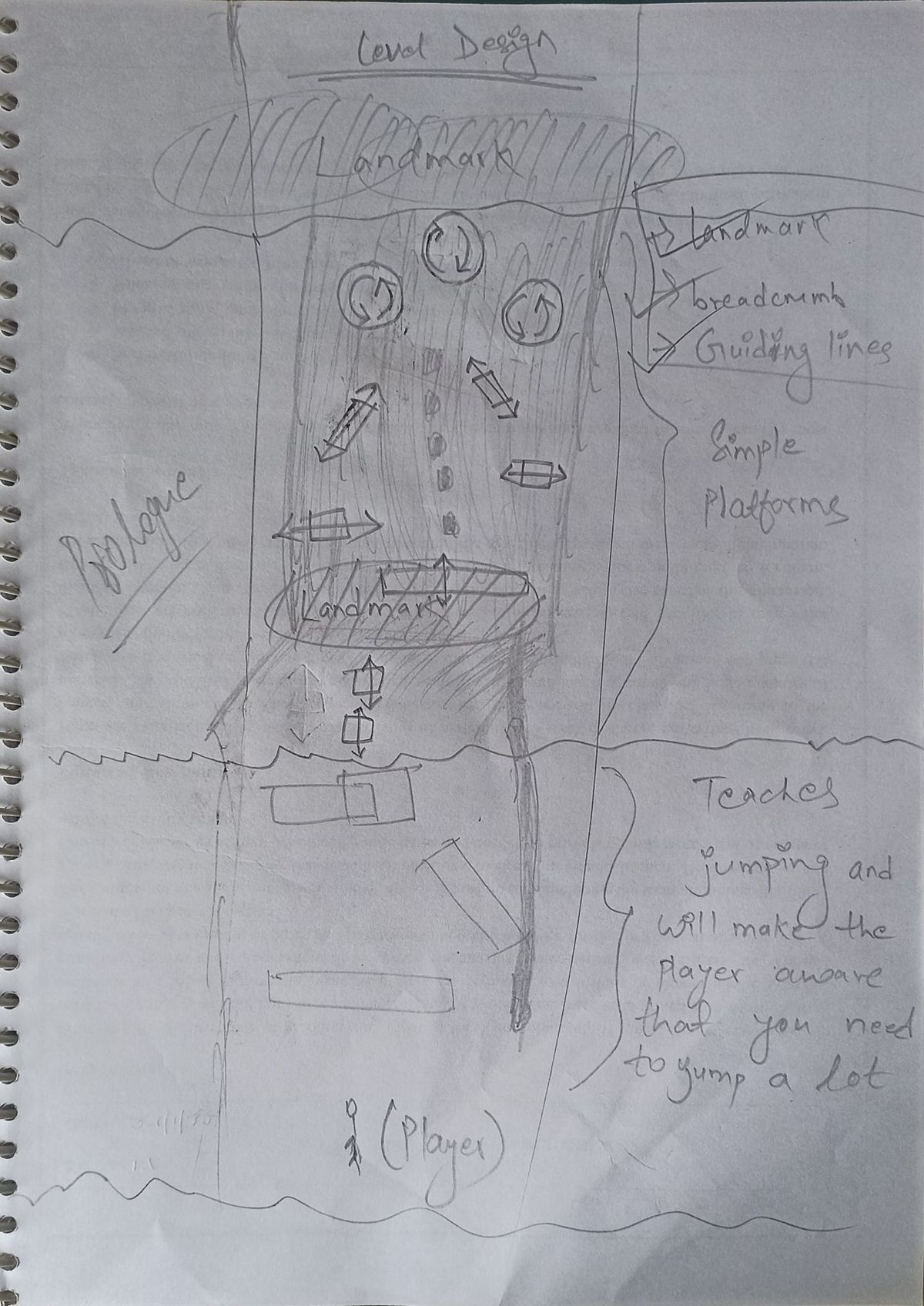
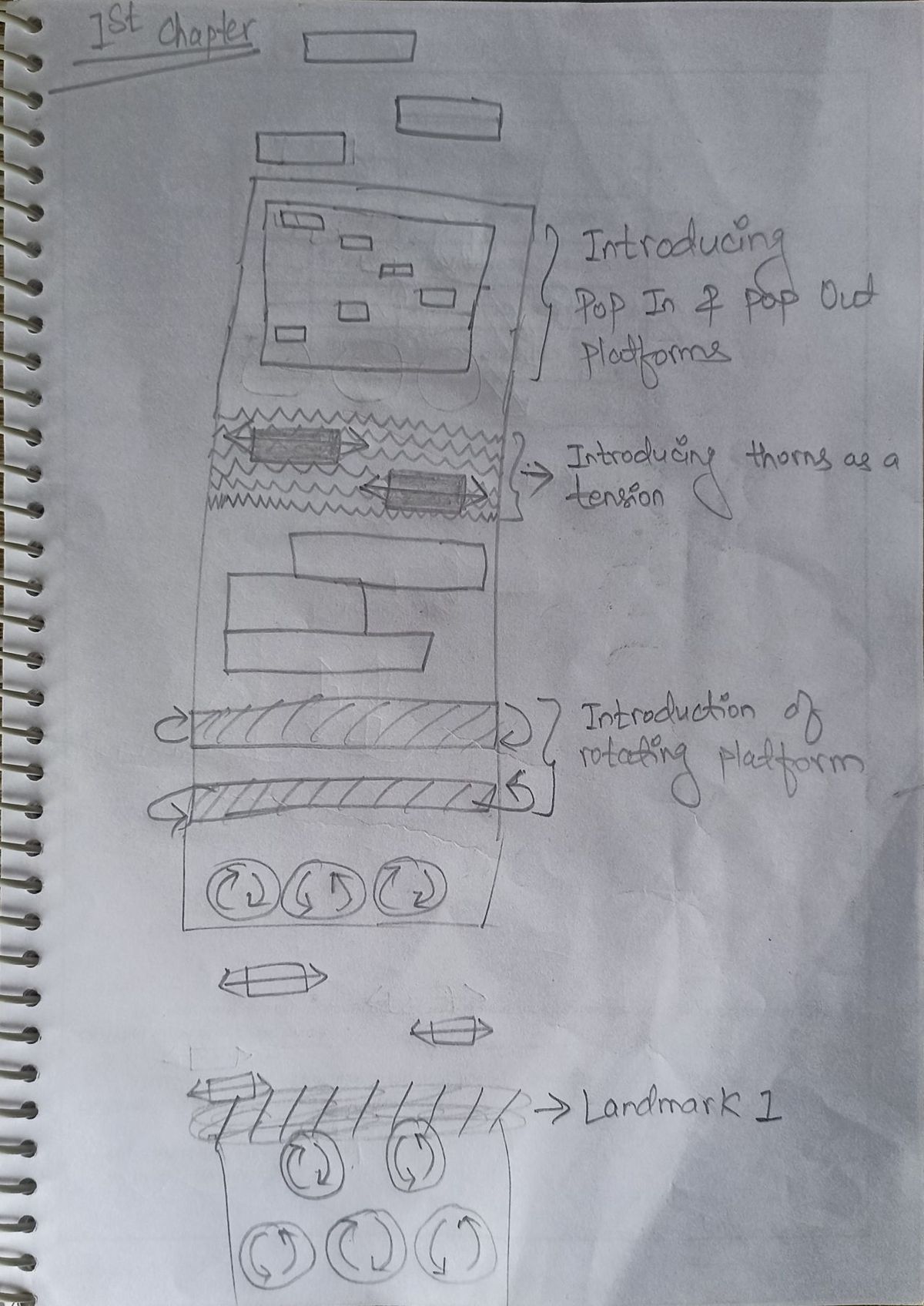
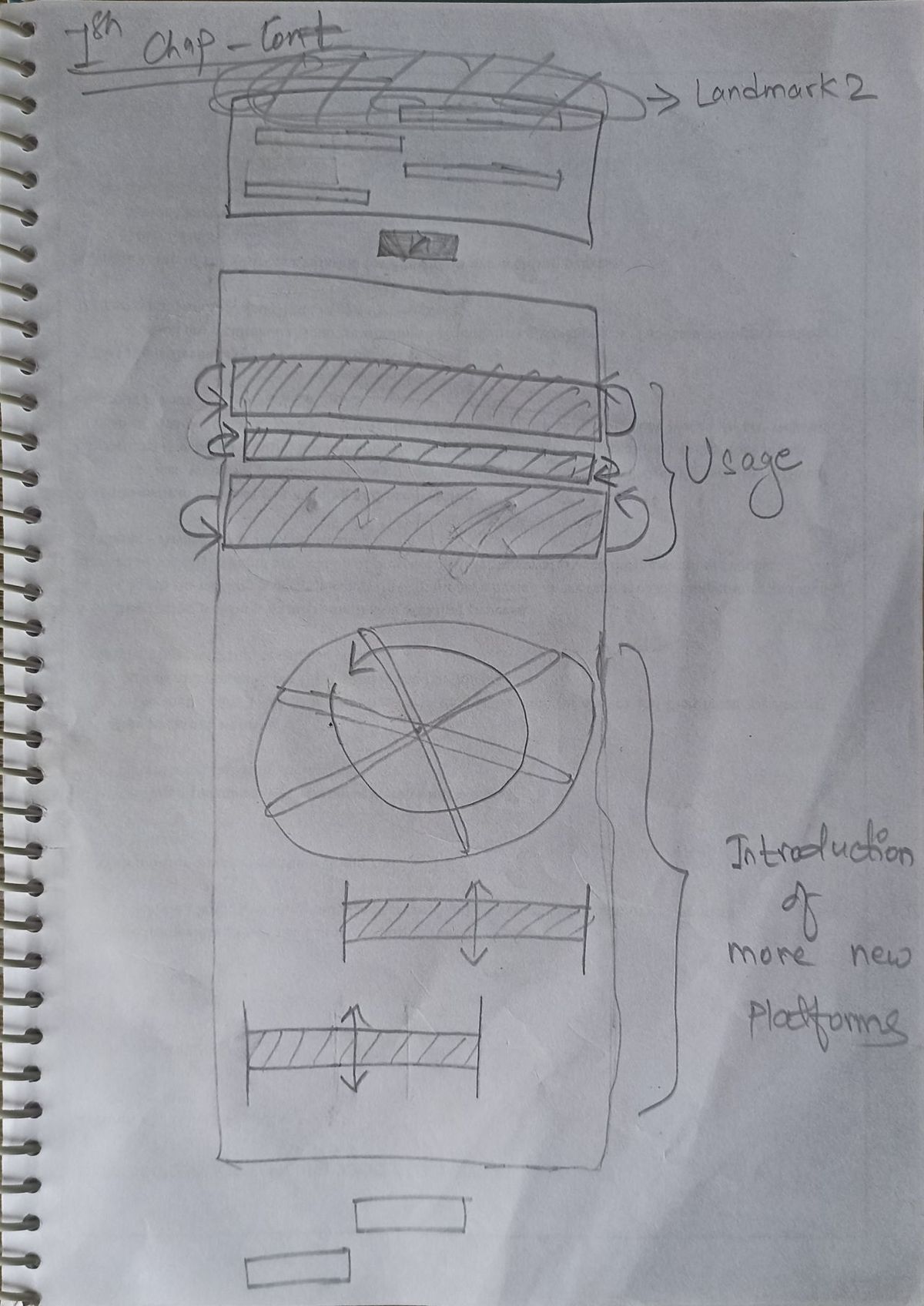
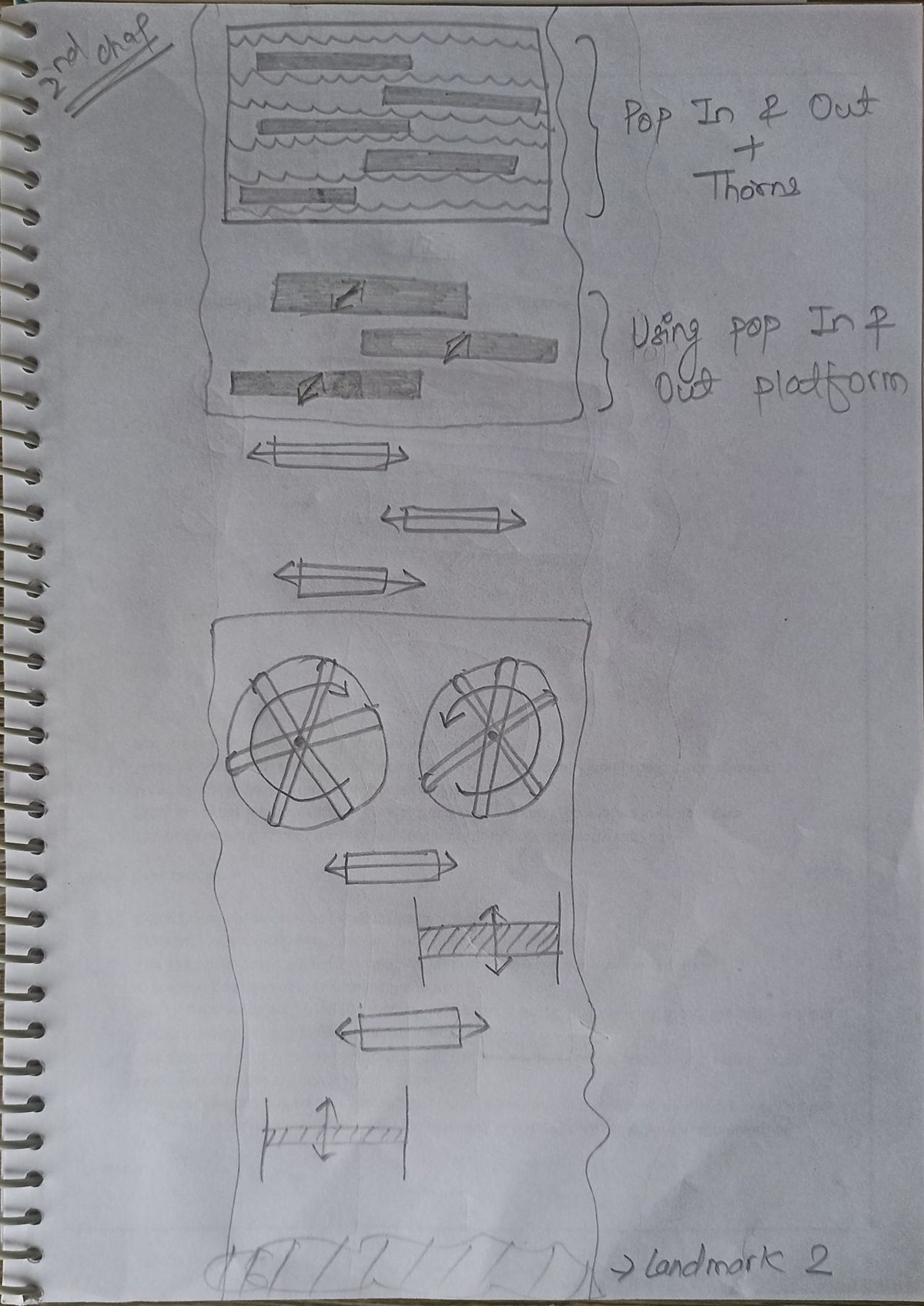
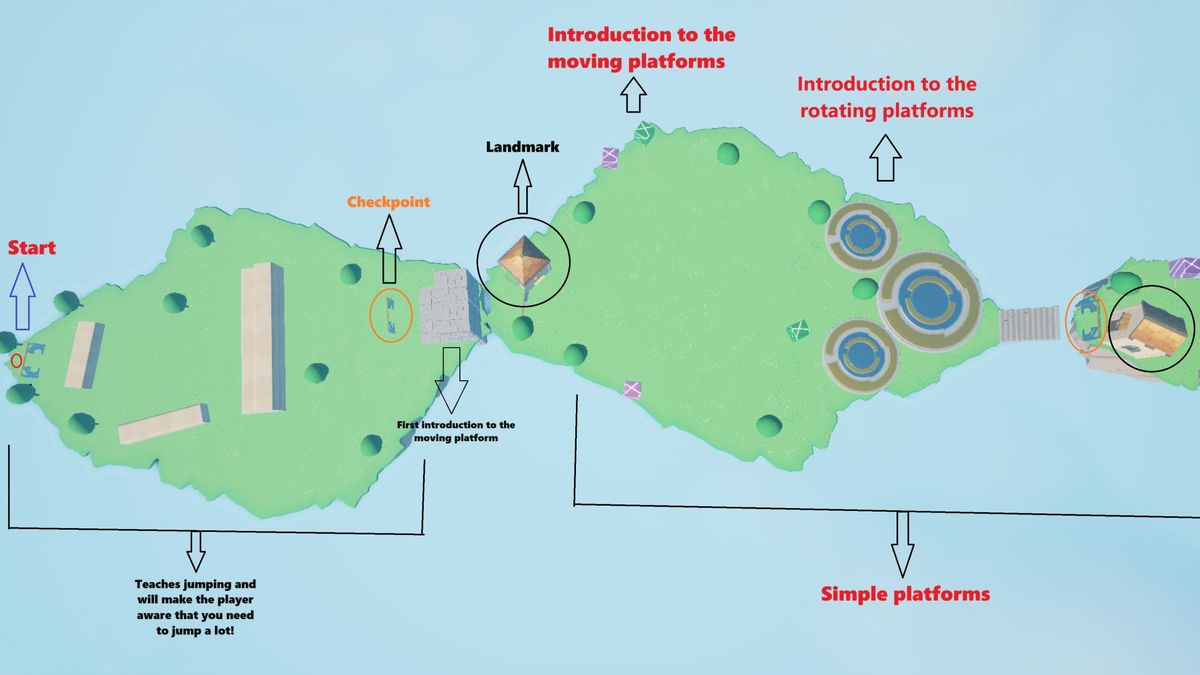
The Prologue Blockout: Safe introductions.
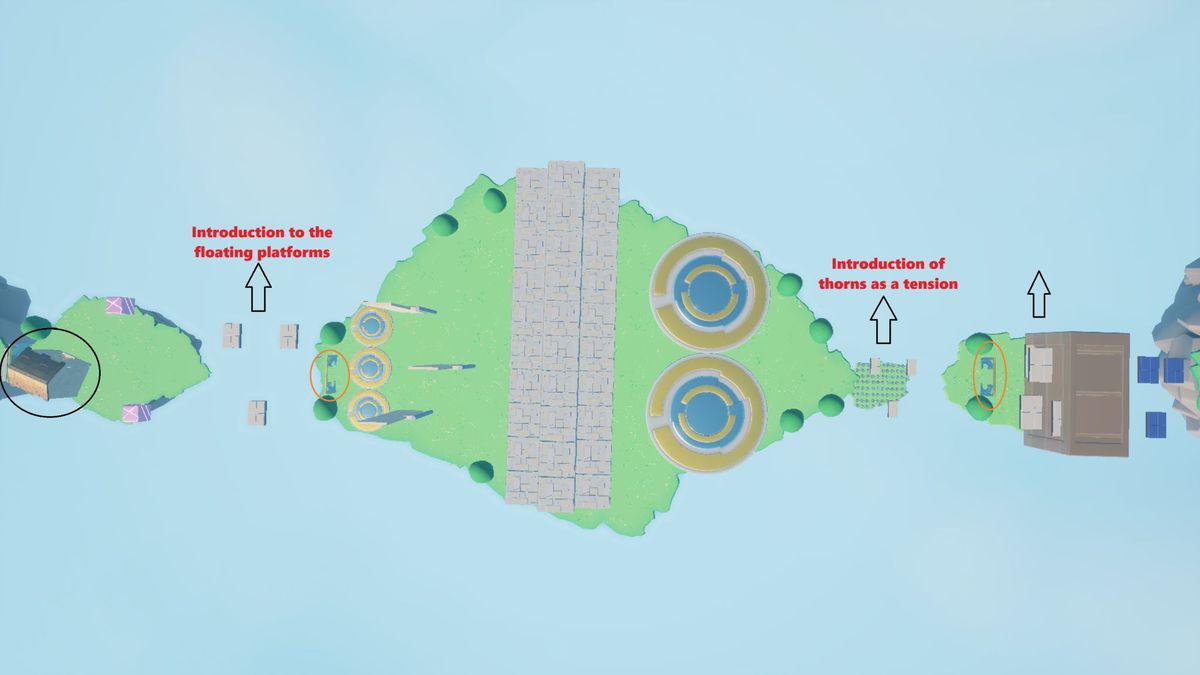
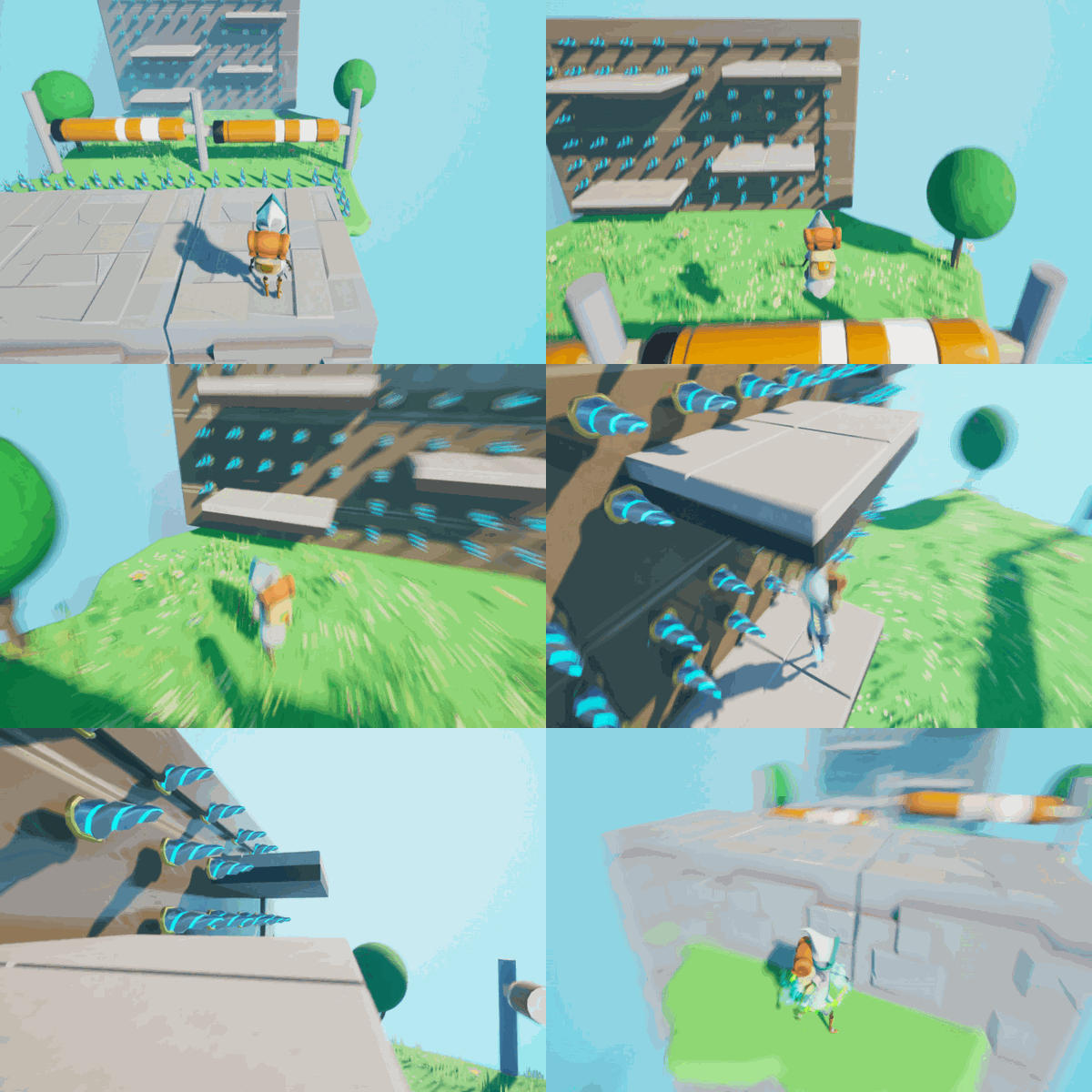
Chapter 1 Blockout: Adding verticality & tension.
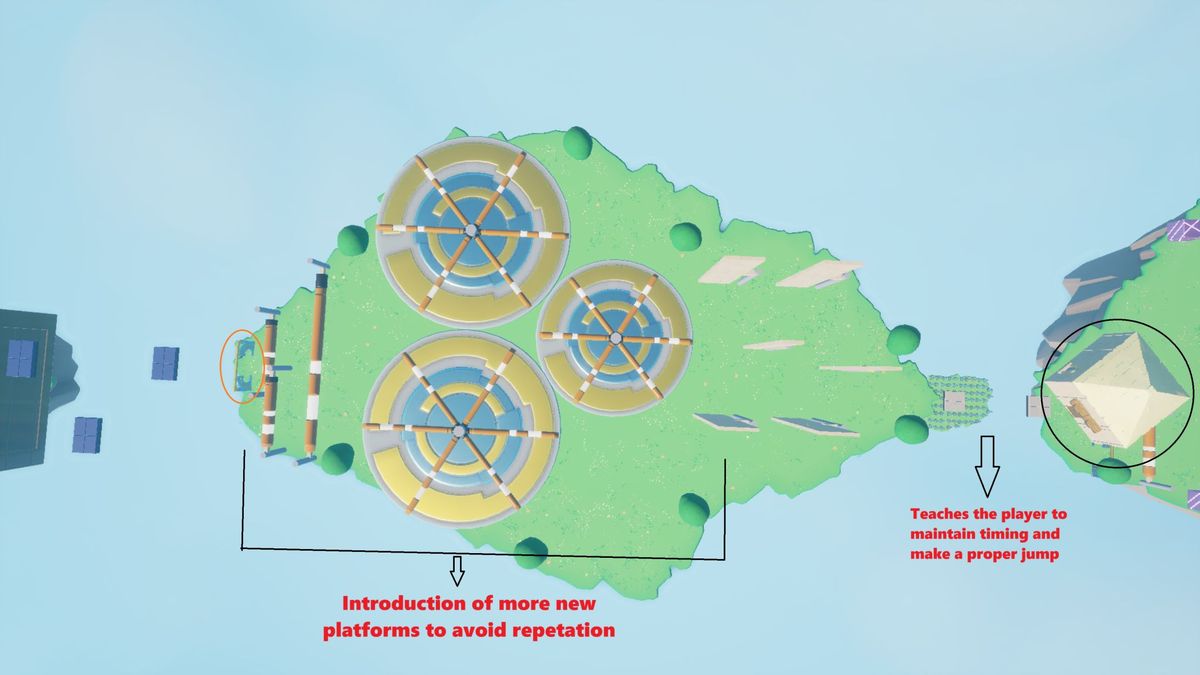
Chapter 2 Engine Blockout: Scaling up complexity to test timing and spatial awareness.
Platform Psychology
The type of platform chosen doesn’t just affect difficulty—it fundamentally shifts the player's psychology. It changes pacing from fast to unpredictable, and shifts the required skill from raw timing to spatial adaptability.
Up & Down
Why: Teaches vertical timing early.
Feels like: Urgency and rhythm focus.
Pop In & Out
Why: Forces jump commitment without hesitation.
Feels like: Intense timing pressure.
Floating Over Thorns
Why: One slip means game over. Requires high-stakes precision.
Feels like: Pure fear of failure.
Idle / Safe Zones
Why: Provides a breather between chaotic sequences.
Feels like: Relief and anticipation for the next challenge.
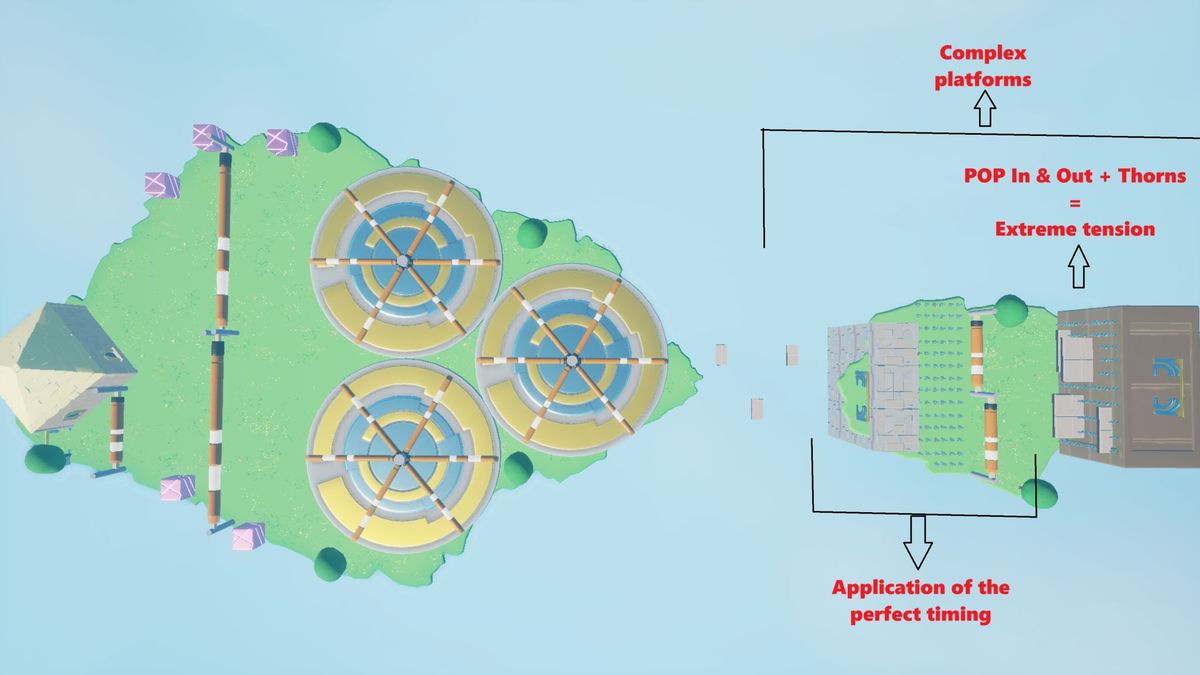
Pop In & Out + Thorns creates maximum tension.
Instant Restart: Failing resets the player in < 0.5s to maintain flow.
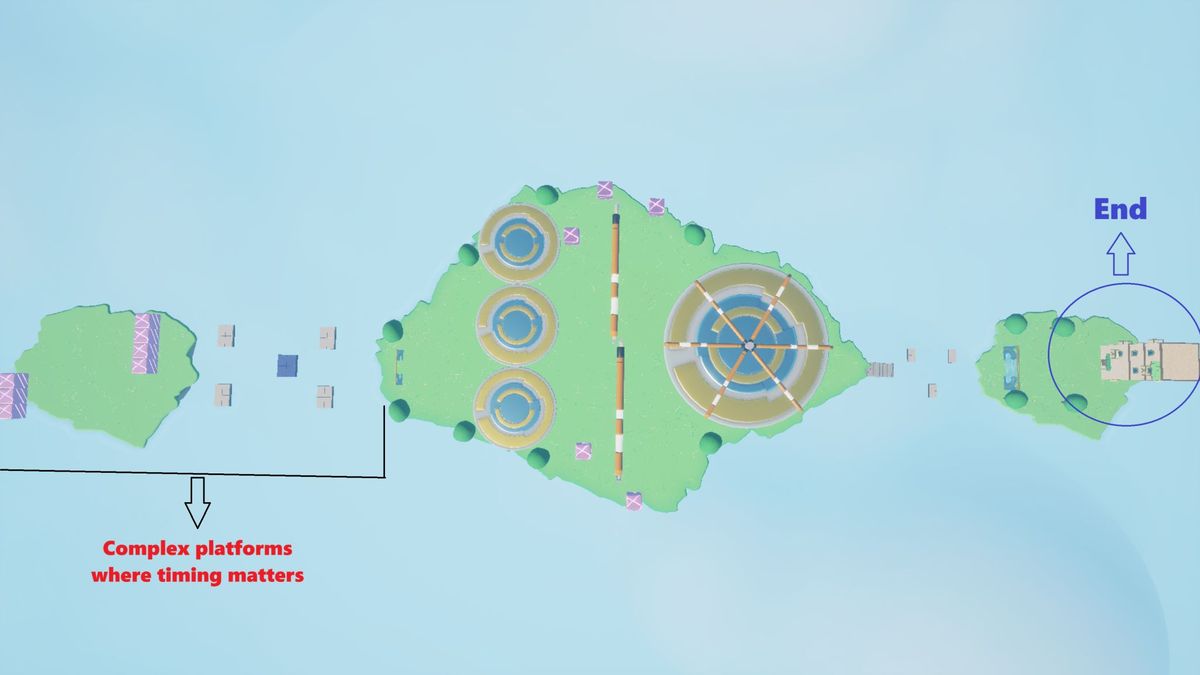
The Final Push: A climactic payoff ending in a safe zone for emotional relief.
The Power of Playtesting
I designed the game so players always got a quick look at upcoming platforms to prepare. But when I handed Version 1 to playtesters, the feedback surprised me.
The very first rotating platform spun too fast and stacked with other moving platforms. Instead of building skill, it caused immediate frustration. Furthermore, checkpoints were entirely invisible, making the experience feel deeply punishing.
For Version 2, I slowed down the early rotating platforms and moved starting islands closer together for casual players. More importantly, I made checkpoints highly visible in the environment.
Player retention shot up significantly. Players were motivated to "just reach the next checkpoint." It created a subtle fear of losing progress that actively encouraged them to challenge themselves rather than quitting.
In-game implementation: The visible archway provides a clear, motivating goal that eliminates unfair frustration.
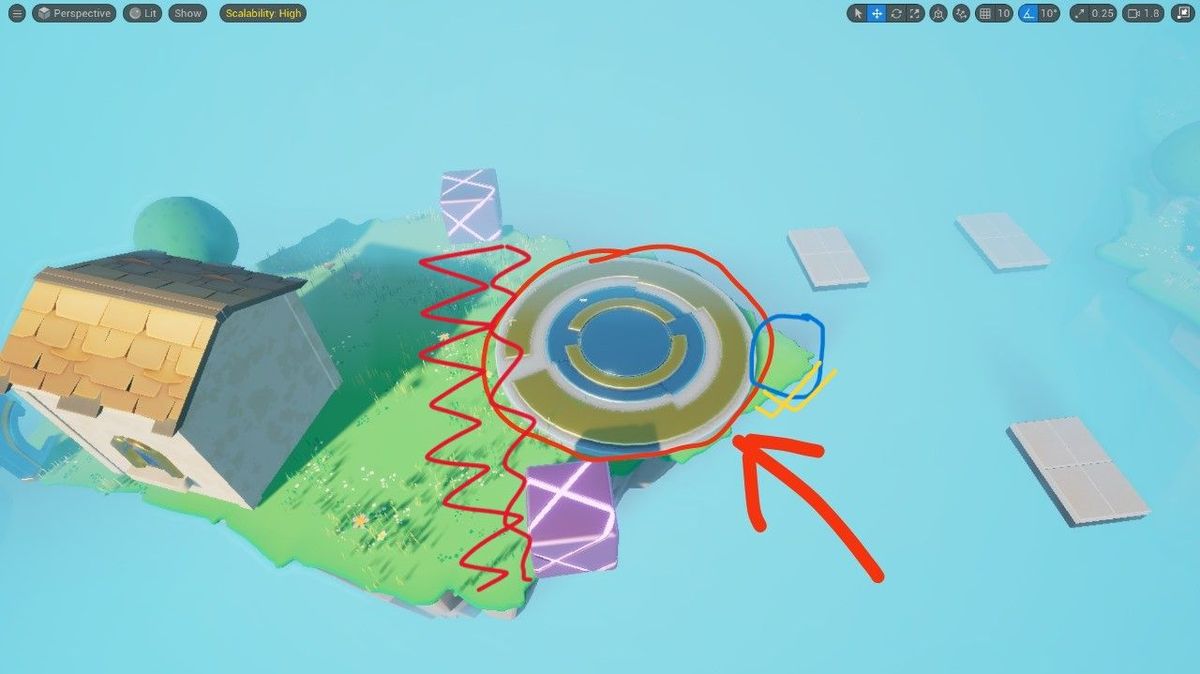
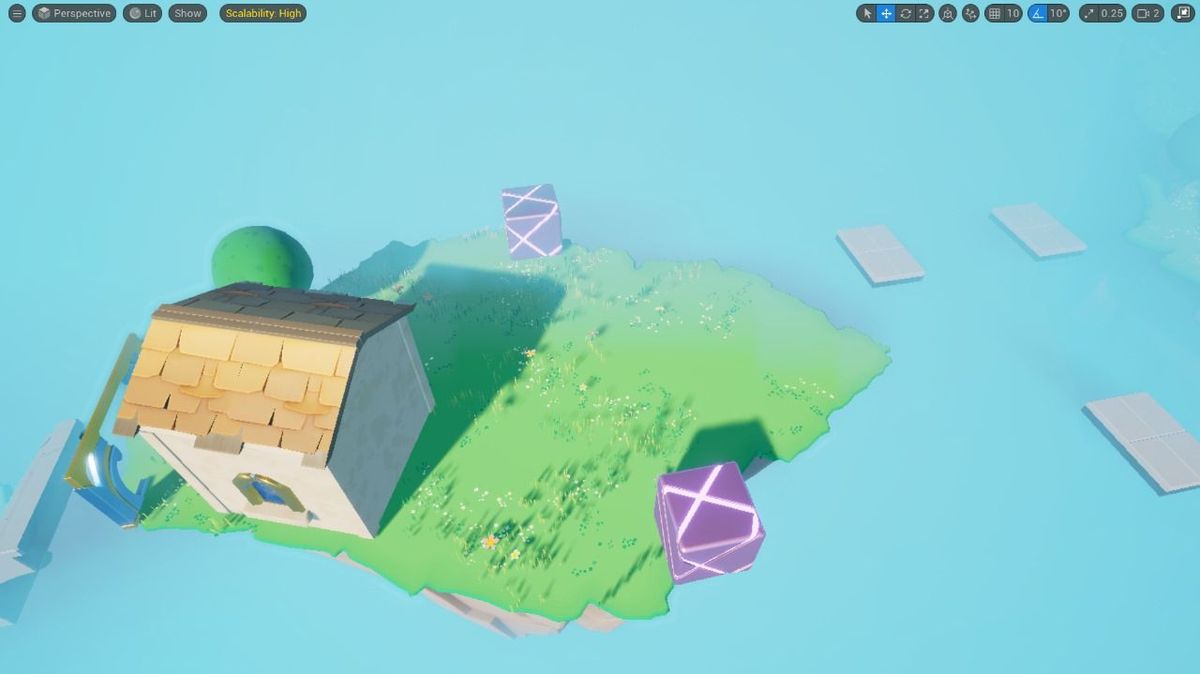
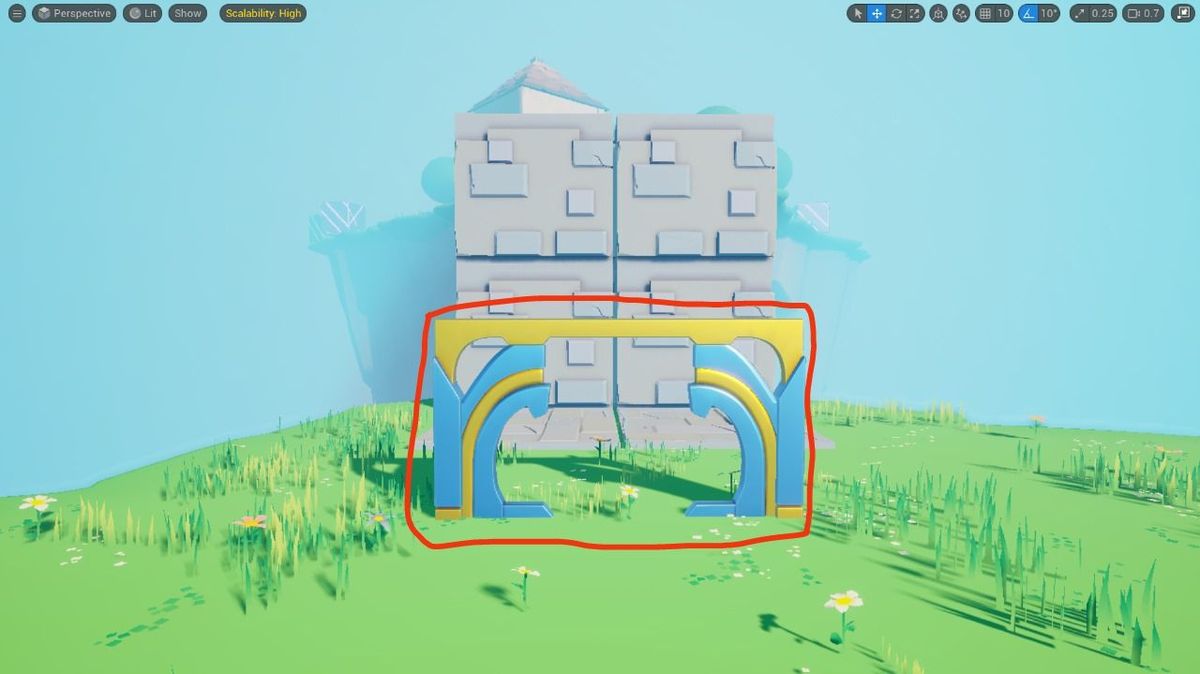
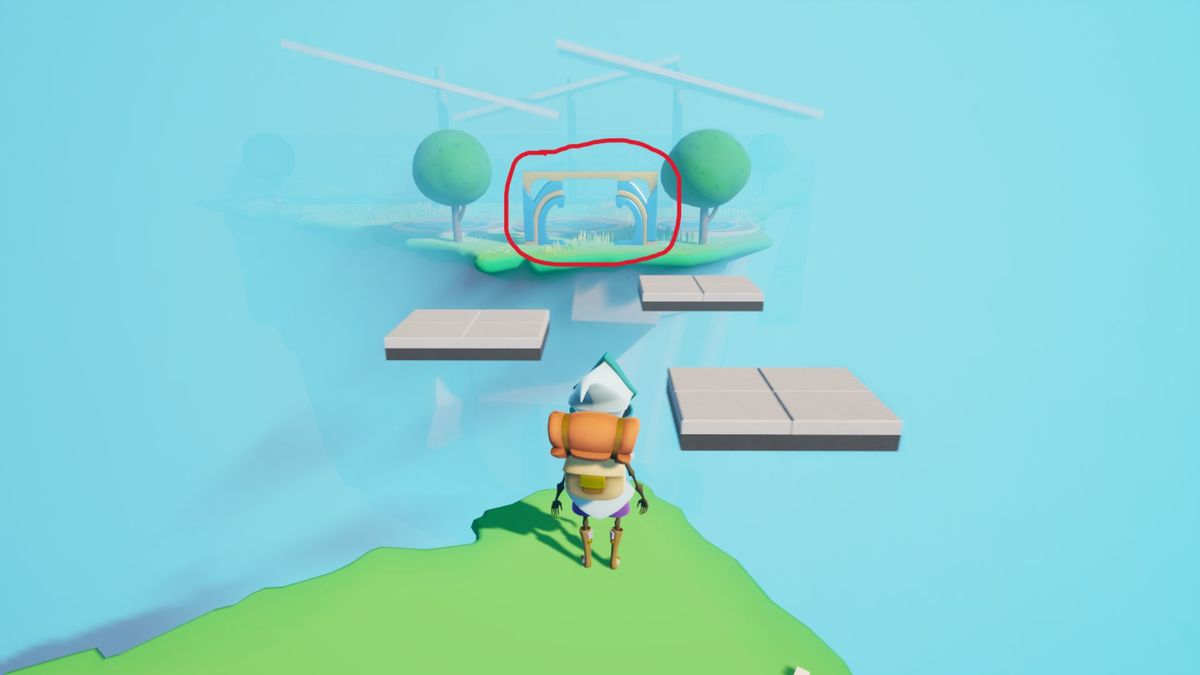
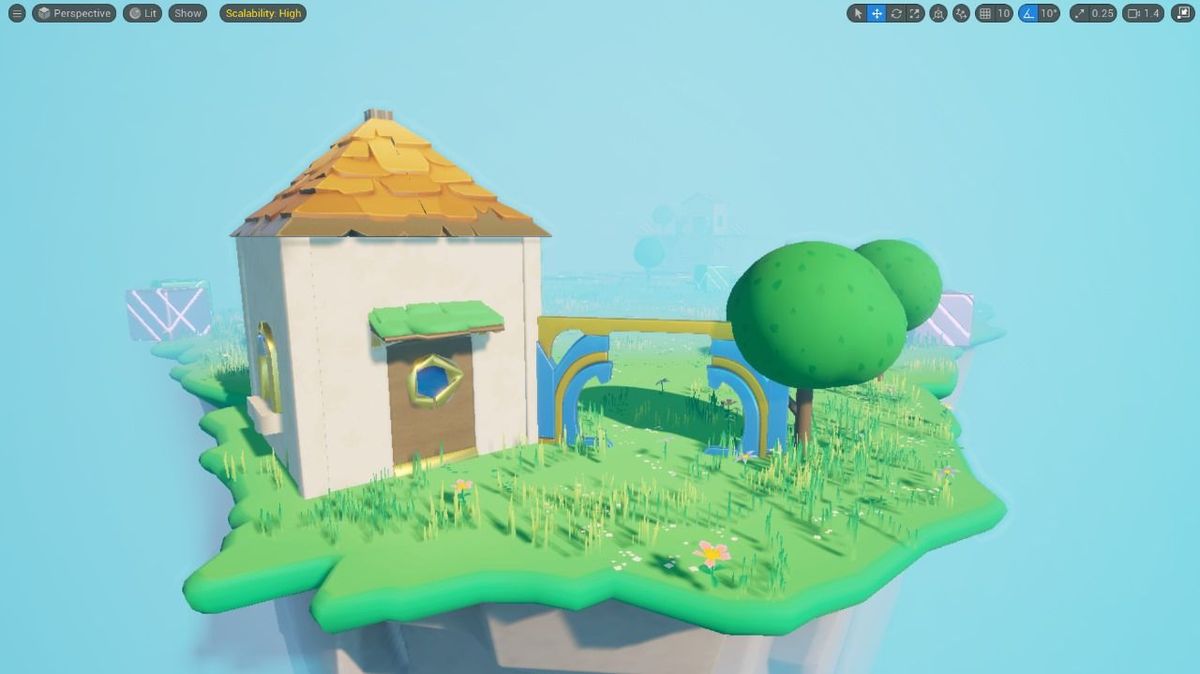
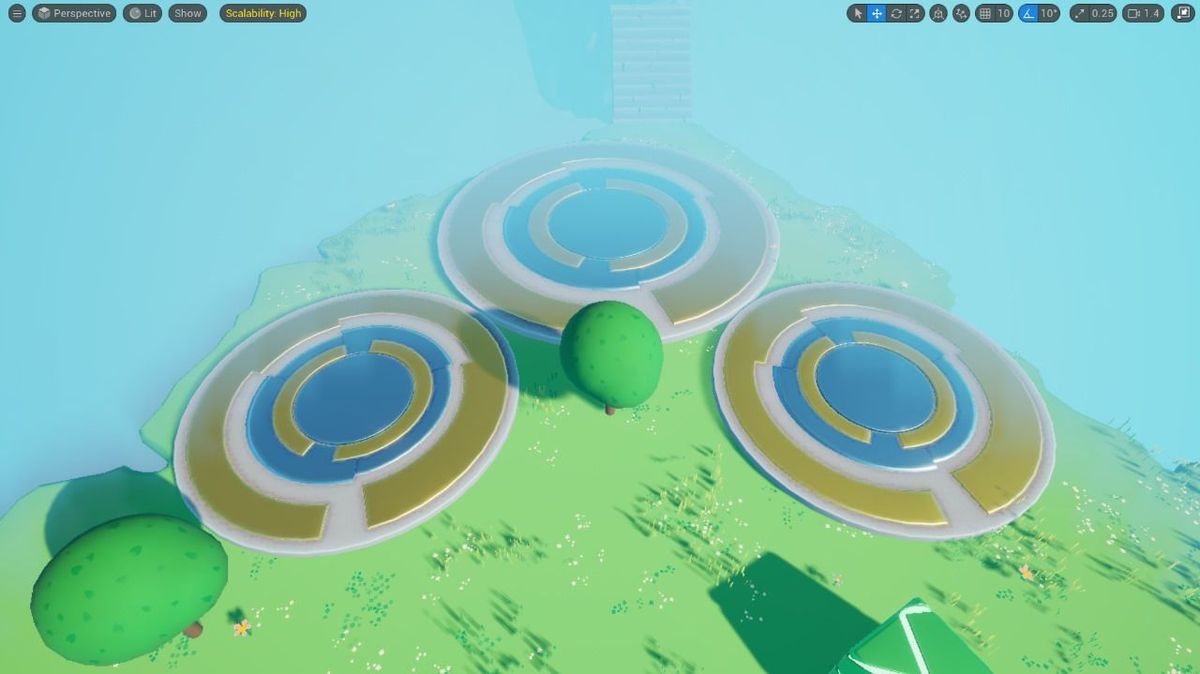
Editor views showing the evolution of platform spacing and visible checkpoints.
"Playtesting is not optional. Visibility itself is a powerful design tool. What feels fun in design can feel unfair in play without the right feedback."
GDD
A closer look at the exact spatial metrics, tension values, and 3Cs adjustments documented before geometry was built.
Obstacle Assault GDD
Spatial Metrics & Platform Psychology
View DocumentComplete Gameplay
A full, unedited run showcasing the flow state, obstacle pacing, and tension relief achieved in the final build.